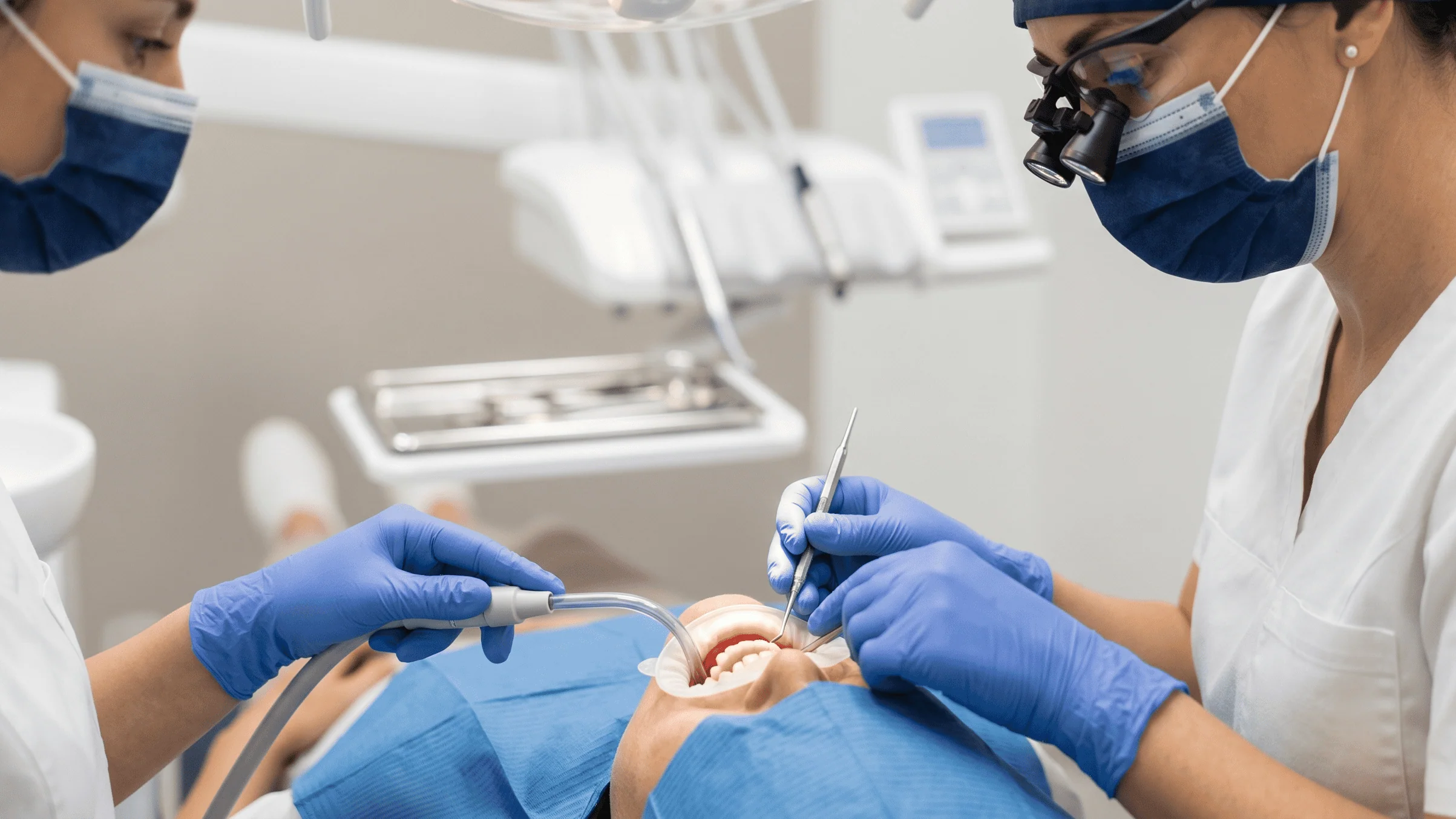
If you are considering dental implants in st kilda, you may be wondering whether they are the right solution for replacing your missing teeth. Dental implants are designed to replace the root of a missing tooth and can support a crown, bridge, or denture. They can restore chewing function and the appearance of your smile, but suitability depends on factors such as your oral health, gum condition, available jawbone, general health, and ability to maintain good oral hygiene.
At Chapel Gate Dental, patients can discuss their individual circumstances before deciding on tooth replacement treatment. Understanding how implants work, what the process involves, and what factors can affect suitability can help you approach your decision with realistic expectations.
What Are Dental Implants?
A dental implant is a small post, commonly made from titanium, that is placed into the jawbone where a natural tooth root was previously located. Once the implant has healed and become stable, it can support a replacement tooth.
Depending on your needs, an implant may support:
- A single dental crown
- A dental bridge
- A denture
The purpose is to create a stable foundation for replacing one or more missing teeth.
Why Consider Dental Implants?
Losing a tooth can affect everyday activities such as eating and speaking. It may also change the way surrounding teeth function.
Dental implants can offer several potential benefits, including:
- Restoring chewing function
- Supporting a natural-looking replacement tooth
- Providing a fixed tooth replacement option
- Helping maintain the position of surrounding teeth
- Avoiding the need to rely on neighbouring teeth for support in a single-tooth replacement
Healthdirect notes that dental implants can improve confidence, help patients eat normally, and feel similar to natural teeth.
However, these benefits need to be considered alongside the treatment process, costs, maintenance requirements, and individual suitability.
Are You a Suitable Candidate?
There is no simple checklist that can determine whether implants are right for everyone. Your dentist needs to assess your mouth and overall circumstances before recommending treatment.
Important factors include:
Healthy Gums
Healthy gums provide an important foundation for implant treatment. Existing gum disease may need to be treated before implant placement.
Adequate Bone Support
The implant needs sufficient bone to provide stability. When a tooth has been missing for some time, the jawbone in that area may have reduced.
Dental X-rays or other imaging can help your dental professional assess the condition of your jaw and determine whether there is adequate support.
General Health
Your general health and any medications you take should be discussed with your dentist. Certain health conditions or medications may influence treatment planning and healing.
Smoking, diabetes, osteoporosis, gum disease, and some other factors may affect the risks associated with implant treatment.
What Happens Before Implant Treatment?
Good implant treatment starts with careful planning. Your dentist will assess your teeth, gums, bite, and jawbone before deciding whether an implant is appropriate.
Your medical and dental history is also important. Tell your dentist about medications you take, existing medical conditions, previous dental treatments, and any concerns you have.
A detailed assessment allows your dentist to develop a treatment plan based on your individual needs rather than simply selecting a standard implant approach.
The Australian Dental Association also emphasises that thorough examination, clinical assessment, and diagnosis are important parts of effective implant treatment planning.
Understanding the Dental Implant Process
Dental implant treatment generally takes place in stages and may extend over several months.
Step 1: Consultation and Assessment
Your dentist examines your mouth and uses appropriate imaging to assess your teeth and jawbone.
Step 2: Treatment Planning
A personalised plan is developed based on the number of missing teeth, available bone, gum health, and desired restoration.
Step 3: Implant Placement
The implant is placed into the jawbone during a dental procedure. Local anaesthetic is generally used during placement.
Step 4: Healing
The jawbone needs time to grow around and stabilise the implant. Healthdirect states that this process takes approximately three months, although individual treatment timelines can vary.
Step 5: Final Restoration
Once the implant is sufficiently stable, a crown, bridge, or denture can be attached depending on your treatment plan.
Because treatment is completed in stages, it is important to understand the expected timeline before beginning.
What If You Do Not Have Enough Bone?
Insufficient bone does not automatically mean that implant treatment is impossible. Depending on your circumstances, your dentist may discuss additional procedures to improve the available support.
However, additional treatment can increase the overall treatment time, complexity, and cost. Your dentist can explain whether preparation is required after reviewing your imaging and oral health.
How Much Do Dental Implants Cost?
Cost is an important consideration when planning treatment. However, there is no single price that applies to every patient.
The overall cost can depend on:
- Number of implants required
- Type of restoration
- Diagnostic imaging
- Condition of the jawbone
- Gum health
- Additional procedures
- Complexity of the treatment
Healthdirect recommends understanding all treatment costs before starting and discussing the costs with your dental professional.
When discussing dental implants in st kilda, ask for a clear treatment plan and cost estimate so you understand what is included.
Dental Implants Compared With Other Options
Implants are not the only way to replace missing teeth. Depending on your circumstances, your dentist may discuss bridges or dentures.
Dental Bridges
A bridge is fixed in place and uses surrounding teeth or other structures for support. It can be an option when the neighbouring teeth are suitable.
Dentures
Dentures are removable appliances that can replace several missing teeth or a complete set of teeth. They can help improve chewing and speaking, although they require regular cleaning and may need adjustments over time.
Dental Implants
Implants provide support from within the jaw and can be used to support crowns, bridges, or dentures. They may be appropriate when a patient wants a fixed solution and has suitable conditions for implant treatment.
Your Dentist St Kilda can explain the differences and help you understand which options may be appropriate for your individual situation.
What Are the Risks?
Like any surgical treatment, dental implants have potential risks and complications. These may include infection, nerve damage, sinus problems, or injury to surrounding structures.
The Australian Dental Association also notes that complications can occur with implant treatment, despite advances in implant materials, design, and surgical techniques.
Understanding potential risks before treatment is an important part of informed consent. You should have an opportunity to ask about benefits, risks, alternatives, and expected outcomes before deciding.
Caring for Your Dental Implants
Dental implants require ongoing care. Once healed, you should care for your implant in much the same way as your natural teeth.
This includes:
- Brushing twice daily
- Cleaning between your teeth
- Using floss, interdental brushes, or another recommended method
- Attending regular dental check-ups
- Having professional cleaning when recommended
Healthdirect recommends regular dental examinations and maintaining good oral hygiene around implants.
Your natural teeth also need continued care, as maintaining healthy surrounding teeth and gums remains important.
Questions to Ask Before Choosing Implants
Before proceeding, consider asking your dentist:
- Am I suitable for dental implants?
- Is my jawbone sufficient?
- Do I need treatment for gum disease first?
- Will I need any additional procedures?
- How long will the treatment take?
- What alternatives are available?
- What are the potential risks?
- What will the total estimated cost be?
- What maintenance will I need after treatment?
Having these questions answered can help you understand your choices before committing to treatment. Healthdirect specifically recommends discussing benefits and risks and asking about treatment options before implant surgery.
FAQs
1. Are dental implants suitable for everyone?
No. Suitability depends on factors including bone availability, gum health, general health, medications, smoking, and other individual circumstances. A dental assessment is required before treatment can be planned.
2. How long does dental implant treatment take?
Treatment is usually completed in stages over several months. Healing after implant placement takes time, and the exact timeline depends on your individual treatment plan.
3. Are dental implants difficult to maintain?
Once healed, implants require regular brushing, cleaning between teeth, and dental check-ups. Good oral hygiene is important for maintaining the health of the implant and surrounding tissues.
4. Are there alternatives to dental implants?
Yes. Depending on your oral health and circumstances, alternatives may include dental bridges or removable dentures. Your dentist can explain the advantages and limitations of each option.
Final Thoughts
Dental implants can provide a stable option for replacing missing teeth, but deciding whether they are right for you requires careful assessment. Gum health, jawbone support, general health, treatment timeline, costs, maintenance, and available alternatives should all be considered.
If you are exploring dental implants in st kilda, a consultation with a qualified Dentist St Kilda can help you understand your individual options. At Chapel Gate Dental, personalised treatment planning can help you approach tooth replacement with clear expectations and a better understanding of your oral health needs.