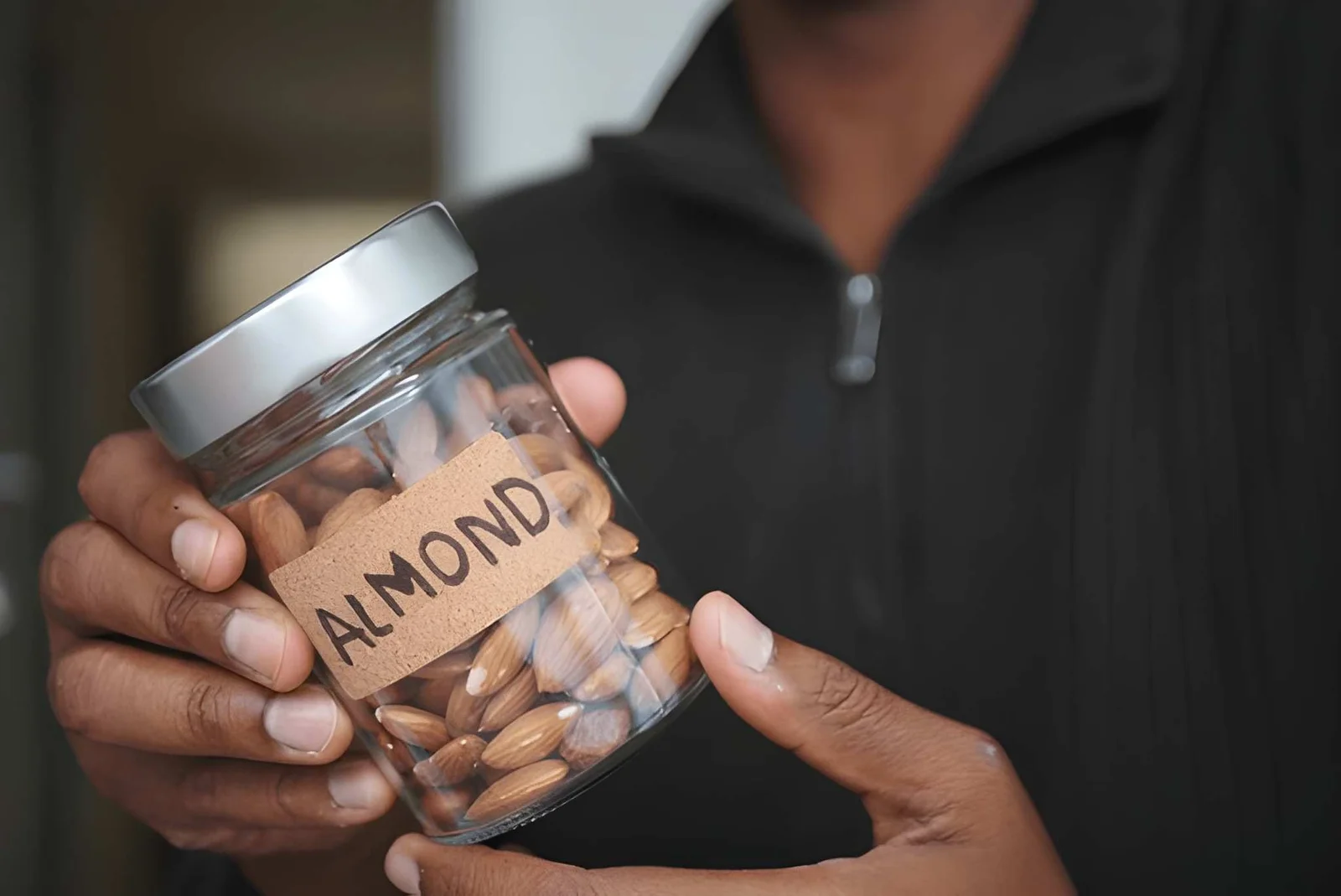
Imagine opening your kitchen cupboard for an evening snack. You reach for the almonds and cashews you bought just a few days ago, expecting that familiar, satisfying crunch. Instead, the almonds feel slightly soft, and the cashews seem chewy rather than crisp. You stored them in a jar, closed the lid, and thought they were protected. So why have they lost their freshness?
This is a genuine problem for Pakistani households, especially during hot, humid weather in Karachi and other parts of Pakistan. The surprising truth is that storing nuts in a jar does not automatically protect them from moisture. The type of lid, storage location, and everyday handling all matter.
Let’s uncover the causes and explore practical ways to keep your favourite dry fruits crunchy for longer.
Why Do Almonds and Cashews Become Soft in Jars?
Almonds and cashews naturally contain little moisture compared with fresh foods, which helps give them their characteristic texture. However, they can absorb moisture from their surroundings. When that happens, their crisp texture may gradually change.
According to the Almond Board of California, moisture migration can affect almond texture, quality, and shelf life. Almonds exposed to humid conditions may absorb moisture and lose some of their crunch.
(Source: Almond Board of California.)
Here are the most common reasons your nuts may become soft, even when stored in jars.
1. The Jar Is Not Truly Airtight
A container may have a lid without forming a reliable seal. If the lid fits loosely or its sealing ring is damaged, humid air can enter whenever the surrounding conditions change.
This is especially important during Pakistan’s humid summer and monsoon seasons. Ordinary snack jars may keep dust away, but they might not provide the moisture protection that almonds and cashews need.
2. Frequent Opening Lets Humid Air Inside
Think about a family that opens its nuts jars several times a day. Someone grabs almonds after breakfast, another person takes cashews with evening tea, and someone else opens the same container while preparing snacks for guests.
Every opening exposes the contents to the surrounding air. In humid conditions, this repeated exposure can allow moisture to accumulate over time. Using smaller nuts jars for daily portions can help because the main supply stays sealed for longer.
3. The Storage Location Is Too Hot
A jar placed beside the stove, near a sunny window, or above a refrigerator may experience more heat than expected. Heat can speed up quality deterioration and the oxidation of natural oils in nuts, eventually causing stale or rancid flavours.
An airtight lid helps, but it cannot make a hot storage location ideal. Keep your dry fruits jars in a cool, dark cupboard away from cooking steam and direct sunlight.
4. The Nuts Were Packed Before Cooling Completely
If almonds or cashews have been roasted at home, let them cool completely before placing them in a sealed container. Closing a jar while the nuts are still warm may trap heat and encourage condensation under unsuitable conditions.
Always allow freshly roasted nuts to cool in a clean, dry area. Once they have reached room temperature, transfer them to a clean, completely dry jar.
Are Soft Almonds and Cashews Still Safe to Eat?
Softness does not automatically mean that nuts are unsafe. They may simply have absorbed moisture or lost their ideal texture. However, moisture exposure can also create conditions that affect quality and, in some circumstances, food safety.
Nuts contain natural oils that can turn rancid over time. If your almonds or cashews smell unpleasant, taste bitter or stale, show visible mould, or appear damp in an unusual way, discard them. Do not try to rescue mouldy nuts by roasting them again.
Important note: Never assume that a sealed jar makes contaminated food safe. A container helps protect properly stored nuts, but it cannot reverse spoilage or guarantee safety.
How to Keep Almonds and Cashews Crunchy for Longer
The good news is that a few straightforward habits can make a real difference.
- Step 1: Choose a genuinely airtight container. Look for a secure lid that closes evenly and forms a reliable seal. Plastic airtight jars can be convenient for everyday use when they are designed for food contact and are used according to the manufacturer’s instructions.
- Step 2: Keep the jars completely dry. Never add nuts with wet hands or use a damp spoon. Even small amounts of introduced moisture can affect the contents.
- Step 3: Store them away from heat and steam. Choose a cool, dark cupboard rather than a shelf near your stove, kettle, or sink.
- Step 4: Divide large quantities into smaller portions. Keep a small jar for daily snacks and store the remaining nuts in a well-sealed container. This reduces repeated exposure to air and humidity.
- Step 5: Consider refrigeration for longer storage. In a particularly hot home, refrigerating nuts in a suitable airtight container can help preserve their quality. When removing a cold container, allow it to reach room temperature while still sealed before opening it. This helps prevent condensation from forming on the nuts.
Pro tip: Label each container with the date you opened or repacked the nuts. Use older stock first, and follow the supplier’s storage instructions for the best results.
Why Are Airtight Jars Important in Pakistan’s Humid Weather?
In a dry environment, storing nuts can be relatively straightforward. In a hot, humid environment, the challenge is controlling both temperature and moisture. A jar that closes securely can help reduce exposure to humid air, unwanted odours, dust, and pests.
This is why airtight jars are useful for almonds, cashews, pistachios, raisins, and other dry fruits. However, the material alone does not guarantee freshness. The lid must seal properly, the container must be clean and dry, and the storage location must be suitable.
When choosing food storage containers, look for food-grade material intended for the type of food you plan to store. Check the manufacturer’s cleaning instructions and inspect lids regularly for damage or poor fit.
Which Jars Are Best for Evening Snacks?
For households that enjoy almonds and cashews with chai, having a dedicated set of snack jars can make storage easier. Keep commonly eaten portions accessible while protecting your larger supply from repeated opening.
Consider these practical features when choosing jars:
| Feature | Why it matters |
| Secure, airtight lid | Helps limit exposure to humid air |
| Food-grade material | Supports suitable contact with food when used as intended |
| Easy-to-clean design | Makes routine cleaning simpler |
| Convenient capacity | Helps separate daily portions from bulk supplies |
| Durable construction | Supports regular household use |
If you are comparing the plastic jars price in Pakistan, look beyond the initial cost. A suitable lid, practical size, ease of cleaning, and intended food-storage use are all worth considering.
Keep Dry Fruits Fresh With Apple Homeware
For households looking for practical storage solutions, Apple Homeware, the largest household products manufacturer in Pakistan, offers options to explore, including Apple Plastic Airtight Jars. These jars may suit families looking to organize almonds, cashews, and everyday snacks. Before purchasing, check the specific product details, lid design, capacity, and care instructions to ensure they fit your storage needs. As with any container, freshness also depends on keeping the jars dry, storing them away from heat, and avoiding unnecessary exposure to humid air.
The Final Crunch: Make Every Handful Count
Almonds and cashews do not lose their crunch simply because they are stored in jars. The bigger issue is often moisture entering through a weak seal, repeated opening, poor storage conditions, or packing nuts before they have cooled completely.
The solution is simple: choose suitable airtight jars, keep them clean and dry, store them away from heat, and consider refrigeration when the weather or storage period calls for it. If nuts develop mould or an unpleasant rancid smell, discard them rather than taking a risk.
Your next step: Check your dry fruits jars today. Inspect the lids, move them away from heat and steam, and separate your daily snacks from your main supply. With good storage habits and a suitable option such as Apple Plastic Airtight Jars, you can give your almonds and cashews a better chance of staying fresh, flavourful, and satisfyingly crunchy.
Food Safety Disclaimer
This content is for general informational purposes and does not replace professional food-safety advice. Airtight jars can help protect food but cannot guarantee that nuts remain safe indefinitely. Discard nuts showing mould, unusual dampness, pest contamination, or rancid odours or flavours. Use only containers intended for food contact and follow their care instructions.
References
- Almond Board of California: Moisture Migration and Management.
- Almond Board of California: Shelf Stability and Shelf Life.
- University of California Agriculture and Natural Resources: Nuts and Their Storage.