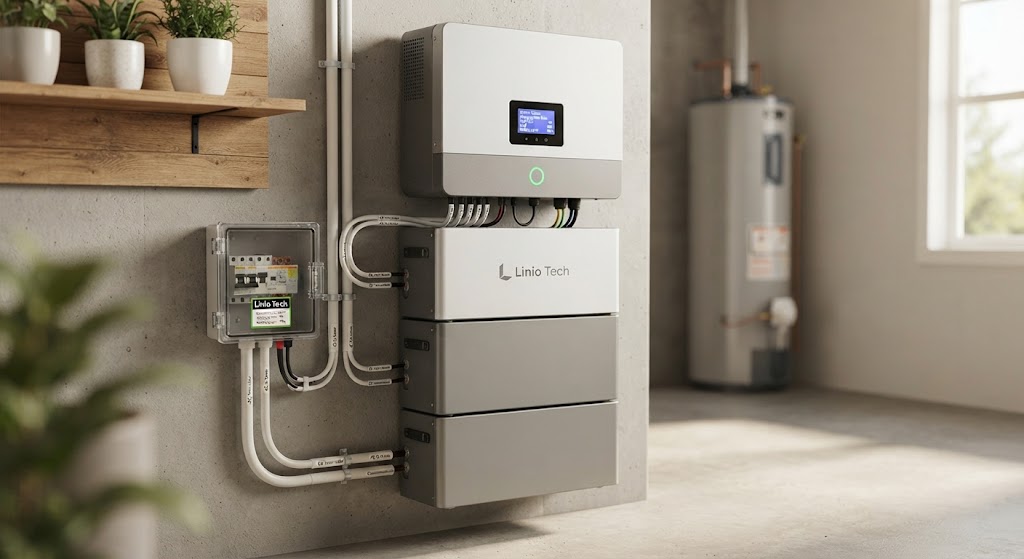
In an era characterized by shifting utility pricing models, extreme weather events, and a global push toward sustainability, modern households are rethinking how they consume and manage electricity. Traditional reliance on a centralized power grid leaves families vulnerable to unexpected blackouts, surging peak-hour rates, and wasted renewable energy. Enter Home Energy Storage Systems: sophisticated residential power hubs that store electricity from rooftop solar panels or the grid, giving homeowners unprecedented control over their energy future.
This comprehensive guide explores the core components, key financial and operational benefits, implementation considerations, and future trajectory of residential battery storage systems.
What Is a Home Energy Storage System?
A home energy storage system (BESS) is an integrated technology setup designed to capture, store, and distribute electrical energy within a residence. At its heart lies a high-capacity battery bank—predominantly powered by safe, long-lasting Lithium Iron Phosphate (LFP) chemistry—paired with a hybrid inverter and intelligent battery management software.
Unlike older, clunky lead-acid alternatives, modern residential batteries are compact, highly efficient, and modular. They allow households to scale capacity dynamically, matching growing energy demands from electric vehicles (EVs) and heat pumps.
Core Benefits of Residential Energy Storage
Investing in a home battery installation unlocks a wide array of economic, environmental, and practical advantages:
Maximizing Solar Self-Consumption: Without storage, homes with rooftop solar often export excess daytime energy back to the grid for minimal credit. A storage system captures that surplus production during peak sunlight hours, making it available for use after sunset.
Protection Against Grid Outages: Severe weather and aging infrastructure have made grid disruptions more frequent. Batteries provide instant, seamless backup power to keep refrigerators, lights, Wi-Fi routers, and medical equipment running when the grid goes down.
Mitigating Time-of-Use (TOU) Electricity Rates: Utility companies frequently charge premium rates during high-demand evening hours. Storage systems enable “load shifting,” allowing homeowners to store cheap energy during off-peak hours and draw from the battery when grid electricity is most expensive.
Environmental Sustainability: By pairing storage with renewable generation, households minimize their carbon footprint, transitioning from passive energy consumers to active participants in clean-energy management.
Industry Insight: Modern residential storage solutions boast round-trip efficiencies of 95% to 98%, ensuring that virtually all captured energy is preserved and utilized effectively.
Key Factors When Choosing a Storage System
Selecting the ideal battery setup requires evaluating several technical specifications to match a home’s specific usage profile:
Storage Capacity (kWh): Measures the total amount of electricity the battery can store, typically ranging from 5 kWh to over 20 kWh for standard residential applications.
Power Rating (kW): Determines how many high-wattage appliances (such as air conditioners or water heaters) can run simultaneously.
Depth of Discharge (DoD): The percentage of total capacity that can be safely used without degrading the battery life. High DoD ratings provide more usable energy daily.
Smart Integration: Advanced platforms feature mobile apps and AI-driven predictive software that automatically optimize charging cycles based on weather forecasts and local utility tariff structures.
Overcoming Implementation Hurdles
While the long-term value is clear, homeowners must navigate initial considerations during planning. Upfront equipment and professional installation costs can be substantial, though they are frequently offset by federal tax credits, regional rebates, and net metering incentives. Proper sizing and professional site assessments are crucial to ensure seamless integration with existing electrical panels and solar arrays.
The Future of Decentralized Energy
As virtual power plants (VPPs) and dynamic grid services expand, home batteries are evolving into active grid assets. Aggregated residential systems can support local grid stability during peak stress events, occasionally allowing homeowners to earn financial credits for sharing stored energy.
Conclusion
Transitioning to a resilient, self-sustaining household no longer needs to be a distant goal. As technology matures and clean energy incentives improve, integrating advanced storage capabilities delivers unmatched peace of mind and financial predictability. For households looking to future-proof their energy infrastructure, maximize renewable investments, and secure absolute protection against grid instability, Linio tech delivers the high-performance engineering and reliable home energy storage systems required to take complete control of your power.