Insects are often noticed only when they bite, invade kitchens or damage crops. Ecologically, they are indispensable. They pollinate plants, decompose waste, control pests and feed birds, fish and mammals.
Reports of insect decline have raised alarm, but the story is complex. Not every species is declining everywhere, and monitoring remains uneven.
What the Evidence Shows
Long-term studies in several regions have documented declines in abundance, biomass or diversity. Other populations remain stable or increase.
The lack of global baseline data makes exact estimates difficult. Scientists are cautious about turning local studies into universal numbers.
The Intergovernmental Science-Policy Platform on Biodiversity and Ecosystem Services provides assessments at https://www.ipbes.net/.
Habitat Loss
Conversion of grasslands, wetlands and forests removes food and breeding sites.
Even small habitat patches can matter when connected across landscapes.
Pesticides
Insecticides are designed to kill insects, but effects may extend beyond target pests. Herbicides can reduce the plants insects depend on.
Risk depends on chemical, dose, timing and exposure.
Climate Change
Temperature and rainfall shifts alter development and seasonal timing.
An insect may emerge before its food plant flowers, or move into regions where suitable habitat is absent.
Light Pollution
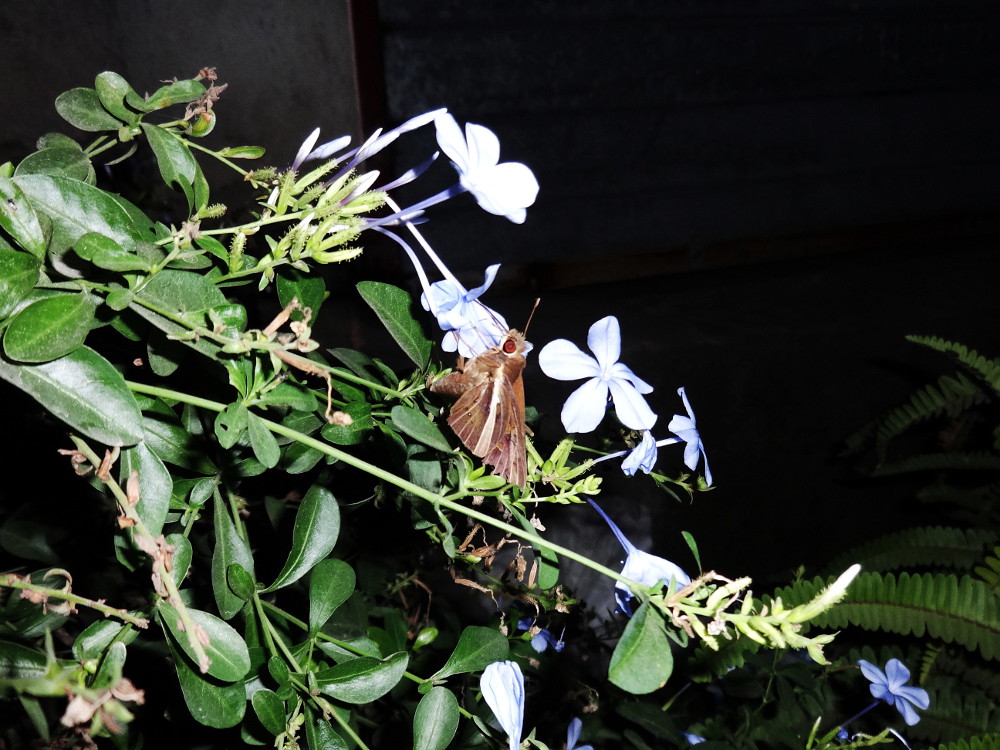
Artificial light can disrupt navigation, feeding and reproduction in nocturnal insects.
Shielded, warmer and lower-intensity lighting can reduce impact.
Pollution and Disease
Air and water pollution affect insects directly and through their host plants.
Managed pollinators can also transmit diseases to wild populations.
Why Decline Matters
Many crops depend partly on animal pollination. Wild plants rely on insects as well.
Insects also support food webs. A decline in aquatic insects can affect fish and birds far from the original cause.
Avoiding Simple Solutions
Installing one “bug hotel” cannot replace habitat. Poorly designed structures may even harbor disease.
Native plants, reduced pesticide use and less intensive mowing often provide more meaningful support.
Agriculture Is Part of the Answer
Farms can incorporate flower strips, hedgerows and integrated pest management.
Policies should help farmers bear the costs of ecological practices.
Monitoring Needs Improvement
Standardized surveys and citizen science can fill data gaps.
Identification expertise is essential because insects are extraordinarily diverse.
Public Attitudes
Conservation is harder when the public values only butterflies and bees.
Beetles, flies, moths and wasps perform equally important roles.
Conclusion
Insect decline matters because insects hold ecosystems together in ways that are easy to overlook. Protecting them requires habitat, reduced pollution and better monitoring rather than fear or nostalgia. The goal is not a world without pests, but landscapes capable of supporting diverse insect life.