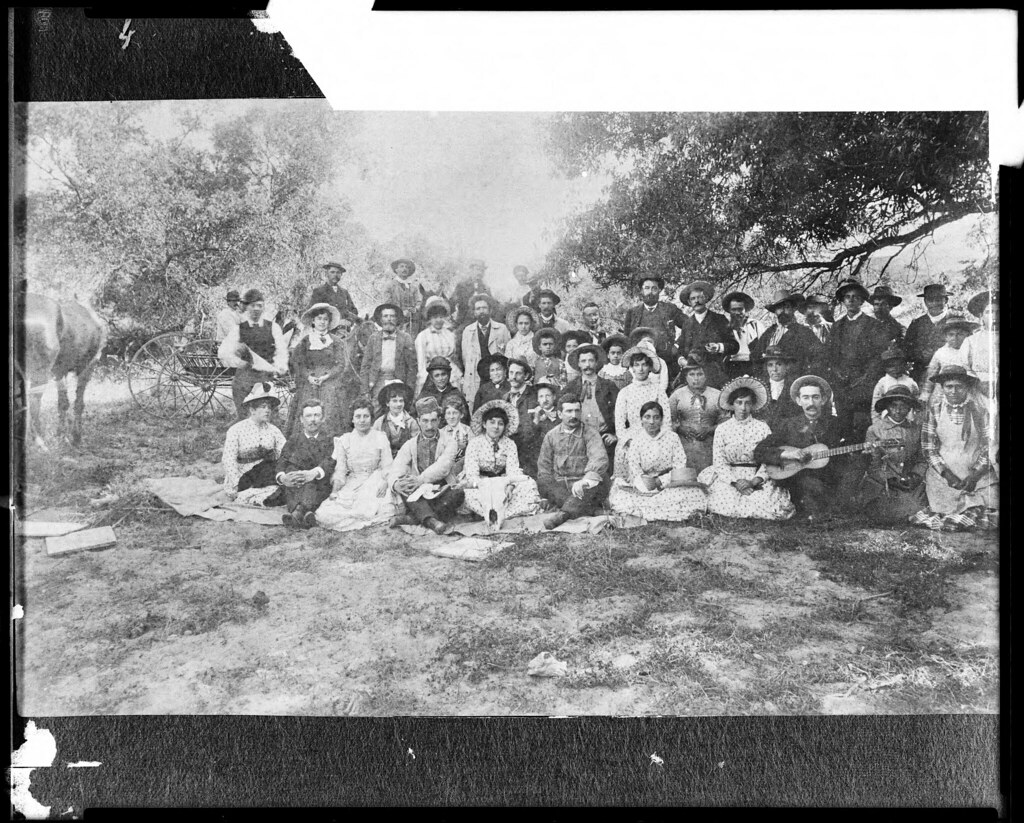

Historic photographs often show leaders, ceremonies and major events. Street photography captures something else: the ordinary details that later become evidence of how a city felt.
The Value of the Unremarkable
A bus stop, shop sign or style of clothing may seem too familiar to photograph. Decades later, those details reveal technology, class, design and social habits.
Street photographers preserve transitions that official records miss.
Observation Without Control
Unlike studio photography, street work depends on unpredictability. Light changes, strangers move and scenes disappear quickly.
The photographer’s craft lies in attention, timing and composition rather than directing subjects.
Ethics in Public Space
Legal permission does not settle every ethical question. Vulnerable people, children and moments of distress require care.
Photographers should consider whether an image informs, humiliates or removes context. Standards differ across cultures and jurisdictions.
The International Center of Photography explores documentary and street traditions at https://www.icp.org/.
Editing Creates Meaning
A single photograph can be ambiguous. A sequence creates relationships and may reveal a neighborhood, theme or period.
Selection is therefore part of authorship. What is excluded shapes the story as much as what appears.
Technology Changes the Practice
Phones have made photography nearly universal, while social platforms distribute images instantly.
This accessibility expands documentation but also raises privacy concerns. People may accept being seen in public without expecting their image to circulate globally.
Conclusion
Street photography preserves ordinary history by treating everyday life as worthy of attention. Its strongest work combines curiosity with restraint, showing public life without forgetting the dignity of the people inside the frame.