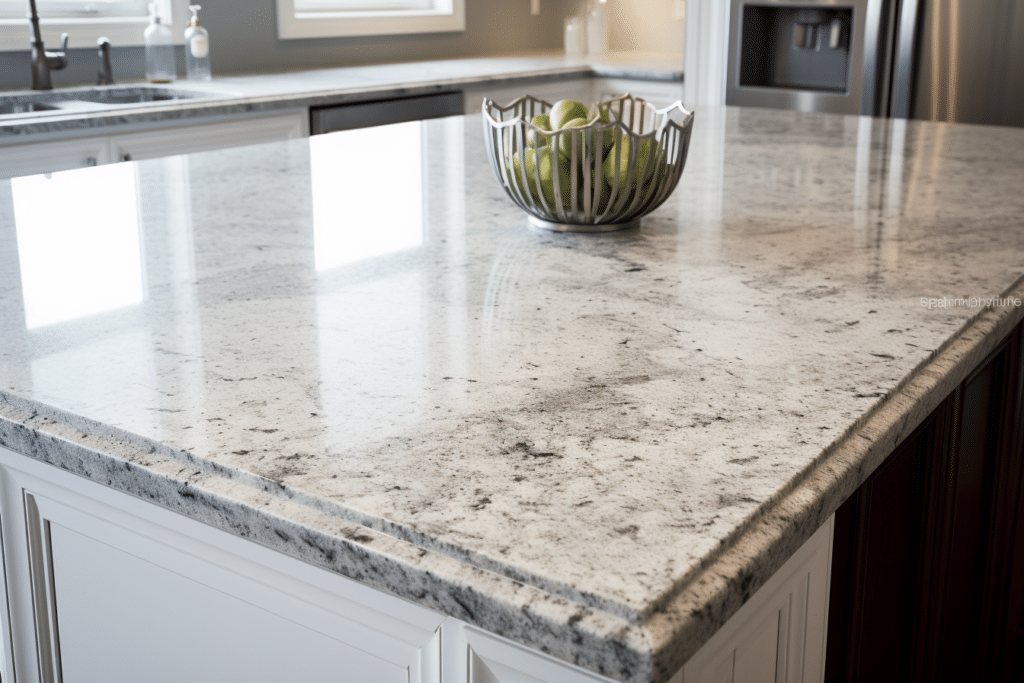
A granite sample can look perfect in a showroom and feel completely different beside your kitchen cabinets. Perhaps the background looks warmer at home, or the pattern feels too busy next to your backsplash. These surprises make countertop shopping stressful, especially when you want a kitchen that looks good and works well for years.
When comparing granite countertops, start with your kitchen rather than a favorite stone color. Your cabinet finish, natural light, cooking habits, and available space should guide the choice. A beautiful slab becomes a better investment when it suits the room and your daily routine.
For Maryland kitchen renovations, the decision also involves practical details. You need to understand the full project cost, review the actual slabs, and discuss fabrication before approving the work. This guide explains how to bring those decisions together without making the process harder than it needs to be.
Start With How You Use Your Kitchen
Before looking at colors, consider what happens around your counters each day. Do you cook most evenings, prepare lunches with children, or use the island for both meals and work? These habits help you decide which appearance, finish, and layout will feel comfortable over time.
Also, discuss your layout before booking granite countertop installation. A large island, an undermount sink, or a seating overhang may affect fabrication and support requirements. Raising these details early helps the fabricator plan around your kitchen instead of discovering problems after cutting the stone.
For example, someone who bakes often may value a wide, clear preparation area more than a decorative edge. Meanwhile, a smaller kitchen may benefit from a quieter pattern that keeps the room from feeling crowded. Let those practical needs narrow your choices before you compare individual slabs.
Choose a Color That Works With Existing Finishes
Granite does not need to match every surface in your kitchen. However, its background color should work comfortably with the features you plan to keep. Cabinets, flooring, and backsplash tile usually provide the strongest starting points.
With white cabinets, look closely at undertones. A warm white door may sit more comfortably beside cream, brown, or gold details than a slab with a cool gray background. Similarly, wood cabinets can pair well with several granite colors, but the result depends on the wood’s warmth and the stone’s pattern.
Compare Samples Together
Bring a cabinet door, flooring sample, and backsplash tile when viewing stone. If you cannot bring the actual materials, clear photographs can help, although screen colors may differ from the real finishes.
Then, take a granite sample home if one is available. View it beside your cabinets in daylight and under evening lighting. This simple comparison can reveal a color conflict before you commit to an entire countertop.
Decide Which Surface Should Stand Out
If your backsplash has a strong pattern, consider granite with less movement. On the other hand, a plain backsplash can give a more dramatic slab room to stand out.
The goal is balance. When several surfaces compete for attention, even expensive materials can make the kitchen feel unsettled.
Inspect the Actual Slabs Before Approval
A small sample introduces a stone, but it cannot show everything that appears across a full slab. Granite can include changes in color, mineral clusters, and flowing patterns. Therefore, review the actual material intended for your project whenever possible.
Stand back first to see the overall appearance. Then, look more closely at areas that catch your attention. A feature that seems subtle across a large slab could become prominent beside the sink or in the middle of an island.
Ask the fabricator to explain any visible lines, filled areas, or surface features you do not understand. Some characteristics belong to the stone’s natural structure, while others may need further assessment. Appearance alone does not tell you whether a particular area suits a planned cutout.
For a kitchen that requires multiple slabs, compare them together. Also, ask how the team will arrange the main countertop sections. This matters especially when the stone has strong movement that could change direction across a seam.
Select a Finish and Edge for Everyday Use
Color often gets the most attention, but the surface finish also changes how a countertop looks. Polished granite reflects light and emphasizes the stone’s colors. Honed finishes create a softer appearance, while textured finishes offer a different feel.
However, view the specific stone in the finish you intend to buy. The same material can look noticeably different after a change in finish. Also, ask about cleaning and care for that exact combination rather than assuming all granite behaves alike.
Keep the Edge Proportional
A simple eased edge can suit a clean, modern kitchen. A more decorative profile may work well with traditional cabinetry. Neither choice automatically makes the countertop better; the right profile supports the room’s overall design.
Before approving it, ask to see an edge sample. Consider how it feels, how it looks beside the cabinet doors, and whether it adds to the fabrication cost.
Review Corners and Seating Areas
Pay particular attention to corners near walkways and seating. Ask the fabricator which profiles and corner treatments suit those areas.
Likewise, discuss the island overhang before finalizing the design. Support requirements depend on the stone, dimensions, and installation conditions, so the project team should assess your actual layout.
Compare Complete Quotes, Not Just Slab Prices
A low material price can look attractive until you add the work required to turn a slab into a finished countertop. Consequently, compare written quotes that describe the same scope.
Ask each company to clarify what its price includes:
- The selected stone and slab thickness.
- Measuring, templating, and fabrication.
- Edge profiles and sink or faucet cutouts.
- Delivery and installation.
- Removal and disposal of existing counters.
- Any plumbing work or separate trade requirements.
Also, confirm who handles cabinet adjustments and unexpected site conditions. These responsibilities can affect both the budget and the schedule.
If you need to reduce costs, start by asking about simpler edges, alternative slabs, or layout changes. A less expensive stone with a well-planned layout may serve you better than a costly slab that forces compromises elsewhere.
For a smaller Maryland kitchen, ask whether a suitable remnant could cover part of the project. Availability and dimensions will determine whether that option works, so avoid choosing fixtures around a remnant until the fabricator confirms the fit.
Understand Maintenance Before Choosing the Stone
Granite can be a practical kitchen surface, but its care needs vary. Some stones absorb liquids more readily than others. Therefore, ask about sealing requirements for your selected material instead of following a fixed annual schedule. The Natural Stone Institute explains that many granite countertops do not require sealing, while others benefit from it.
For routine cleaning, use a product suitable for natural stone and follow the care instructions supplied with your countertop. Wipe up spills promptly, use cutting boards, and keep trivets available for hot cookware. These habits help protect the surface without turning countertop care into a complicated routine.
Before approving the purchase, request written care guidance. It should explain suitable cleaning products, whether the stone needs a sealer, and whom to contact if a stain or surface concern appears.
Also, be honest about your preferences. If visible fingerprints or small marks bother you, inspect samples under different lighting and ask how the chosen finish behaves during normal use. Choosing with realistic expectations usually leads to greater satisfaction.
Review the Fabrication and Installation Plan
Even a carefully selected slab needs accurate measurements and thoughtful fabrication. Before templating, confirm what the installer requires from the cabinets, sink, faucet, and appliances. Changes after measurement may affect the fit or require additional work.
Ask to review proposed seam locations and discuss how the pattern will run across important sections. A seam may be necessary, but its placement should account for the layout, slab size, access, and fabrication needs.
USA Marble & Granite provides countertop fabrication and installation services in the DMV area. When discussing a Maryland project, confirm service availability for your address and request a clear explanation of the proposed scope.
Finally, understand the installation-day arrangements. Confirm access requirements, who disconnects and reconnects plumbing, and when you can begin using the counters. Clear responsibilities help prevent a finished countertop from sitting unused while another part of the project remains unresolved.
Conclusion
The best granite countertop for your Maryland kitchen combines a suitable appearance with a practical layout and manageable care needs. Start with your existing finishes, inspect the actual slabs, and compare complete project quotes before making a decision.
Then, review the fabrication details with the company handling the work. When color, layout, maintenance, and installation all support your needs, you can choose a countertop with greater confidence.