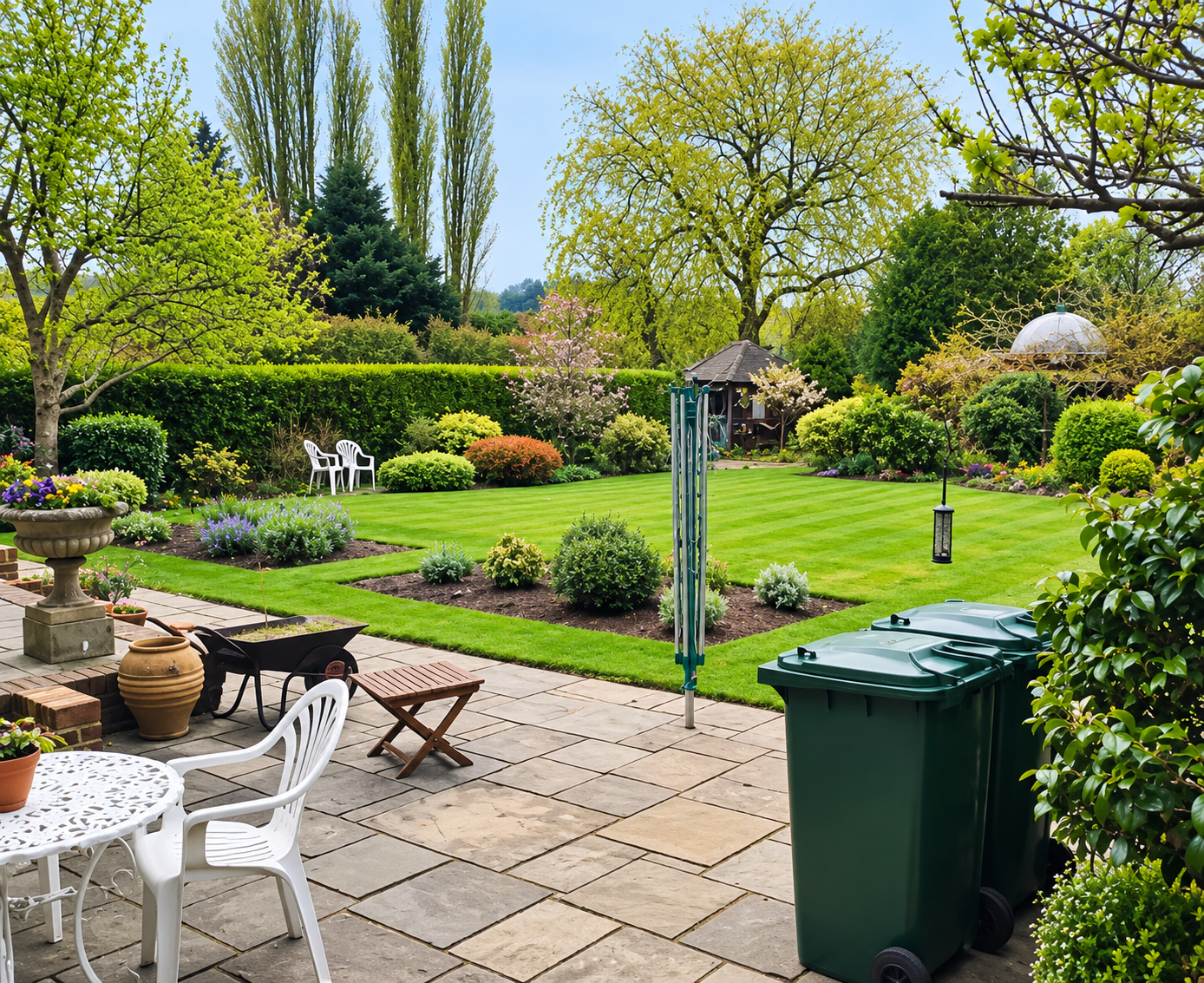
A tidy garden and a good garden for wildlife are not the same thing, but they do not have to be opposites. With a few considered choices, a well-kept garden can feed pollinators, shelter birds and give hedgehogs, amphibians and insects somewhere to live, all without looking untidy.
For homeowners in Brookmans Park, Hadley Wood and the surrounding area, where gardens often back onto hedgerows, woodland edge and neighbouring plots, the potential is considerable. This guide explains how to plan a wildlife-friendly garden, how to clear and maintain it with wildlife in mind and how to avoid the common mistakes that undo good intentions.
Why Wildlife Gardening Is Worth the Effort
Gardens collectively form a large area of habitat, and many species rely on them. A wildlife-friendly garden brings practical benefits too.
- Pollination. Bees, hoverflies and other insects visit flowers, helping fruit, vegetables and ornamental plants.
- Natural pest control. Birds, ladybirds, lacewings and hedgehogs eat many of the pests gardeners worry about.
- Healthier soil. Compost heaps, leaf mould and undisturbed corners support the organisms that keep soil fertile.
- Pleasure. Watching birds on a feeder or bees on a border is one of the simplest rewards a garden offers.
None of this requires giving up a lawn or turning the garden over to nettles. It is about adding the right features in the right places.
Designing for Wildlife
Landscaping Brookmans Park gardens with wildlife in mind starts, as with any design, by understanding the space and how you use it. The best schemes weave habitat features into the structure of the garden rather than treating them as an afterthought.
Hedges Rather Than Fences
A mixed native hedge is one of the most valuable features a garden can have. It provides nesting sites, berries, shelter and a corridor for movement. Species such as hawthorn, hazel, field maple and hornbeam are often used, and many cope well with heavy clay soil. Where a fence is needed, consider adding climbers or a hedge in front of it.
Plant for Succession
Aim for something in flower from early spring to late autumn. Early bulbs and hellebores feed the first bees, summer perennials carry the middle of the year and ivy, asters and sedums keep insects fed into autumn. Choose single-flowered varieties where possible, because double flowers often hide the nectar and pollen insects need.
Create Layers
Wildlife uses a garden in three dimensions. Trees and tall shrubs provide nesting and perching, mid-height shrubs and perennials provide cover and food and low planting and leaf litter give shelter at ground level. Even a small garden can include all three layers.
Add Water
A shallow pond, or even a buried washing-up bowl with sloping stones, attracts frogs, insects and birds. Make sure there is a gentle way out for any animal that falls in, and keep water features away from heavy shade and falling leaves where possible.
Leave Some Areas Wilder
A patch of longer grass, a log pile in a quiet corner or an uncut section of border creates shelter without affecting the rest of the garden. A tidy edge or mown path around a wilder area makes it look intentional.
If you need new plants for a scheme, plant supply can be arranged alongside planting work, and it helps to understand how landscape design and build works before you decide how much of the garden to change.
Clearing a Garden Without Harming Wildlife
Clearance is the stage where wildlife is most at risk, because it removes cover, food and nest sites quickly. Careful timing and a few checks reduce the harm.
Timing and Checks
- Nesting birds. Nesting birds are protected by law. Avoid heavy hedge and tree work from roughly March to August and check dense growth before cutting.
- Hedgehogs. They hibernate in leaf piles, log piles, compost heaps and dense undergrowth, usually from around November to March. Check carefully before moving or cutting any of these, and never burn a pile without checking it first.
- Amphibians. Frogs, toads and newts shelter under logs, stones and in damp corners. Move slowly and disturb as little as possible.
- Bats. Bats and their roosts are protected. If you suspect a roost in a tree or building, seek specialist advice before any work.
Clearing in Stages
Rather than clearing everything at once, consider working in sections. Leave some cover standing while you clear one area, and allow wildlife to move rather than being trapped. This also makes the work easier to manage.
The garden clearance Brookmans Park plots often need involves long hedges, brambles and overgrown shrubs on generous gardens, and the garden clearance Hadley Wood homes need is often similar. In both cases, a careful approach protects wildlife as well as the plants worth keeping. A good garden clearance service should be willing to talk through timing and wildlife checks before work begins.
Waste and Protected Trees
In England, householders have a duty of care to make sure waste is taken away by a registered waste carrier. Ask to see proof. Also check whether trees are protected by a Tree Preservation Order, and remember that some streets in Hadley Wood sit within a conservation area. Your local council can confirm what applies.
Maintaining a Wildlife-Friendly Garden
Wildlife gardening still needs regular attention. The difference lies in how and when the work is done.
A Seasonal Approach
- Spring: Feed lawns and borders, mulch bare soil and add seasonal planting. Leave areas of long grass to grow.
- Summer: Mow less often in wilder areas, water new planting deeply and trim hedges only once nesting has finished.
- Autumn: Leave some seed heads and hollow stems for birds and insects. Rake leaves from lawns and paths, but pile some in a corner as shelter.
- Winter: Prune dormant shrubs, keep bird feeders and water topped up and check structures after storms.
Reduce Chemicals
Many insecticides and herbicides harm beneficial insects as well as pests. Using fewer chemicals, tolerating a small amount of damage and encouraging natural predators is usually more sustainable. Mulching and dense planting suppress weeds without chemical treatment.
Share the Work
If you would rather not manage all of this yourself, a gardener Brookmans Park residents can rely on can handle the regular tasks while respecting wildlife areas. Ask how they approach hedge cutting, leaf clearance and wilder corners, and how they handle waste. The garden maintenance Brookmans Park gardens need often follows the same seasonal pattern, adjusted for how much of the space is left wild. Regular garden maintenance can be tailored to the size of the garden and your budget.
Master Gardens Ltd serves London, North London, Hertfordshire and surrounding areas, and offers garden maintenance, garden clearance, landscaping and commercial grounds maintenance, alongside pressure washing, lawn treatment, plant supply and gritting. Quotations are tailored to each client’s needs and budget, and the full range is on the Master Gardens Ltd website.
Common Mistakes to Avoid
- Clearing everything at once. Sudden loss of cover is hard on wildlife.
- Over-tidying. Removing every leaf, stem and seed head removes food and shelter.
- Cutting hedges in nesting season. This can destroy nests and is legally risky.
- Using slug pellets and pesticides freely. These can harm hedgehogs, birds and beneficial insects.
- Fencing the garden off. Solid boundaries block hedgehogs. A small gap at the base of a fence allows them to pass between gardens.
- Planting only showy hybrids. Many highly bred varieties offer little nectar or pollen.
Frequently Asked Questions
Will a wildlife garden look messy?
Not if it is designed well. Defined edges, mown paths and tidy borders around wilder areas make the whole garden look intentional.
What are the best hedge plants for wildlife?
Mixed native hedges, using plants such as hawthorn, hazel, field maple and hornbeam, give shelter, nesting sites and berries. Choose species that suit your soil and light.
When should I avoid cutting hedges?
Avoid heavy cutting from roughly March to August because of nesting birds. Check dense growth carefully even outside that period.
How can I help hedgehogs?
Leave a small gap at the base of fences, provide log or leaf piles, avoid slug pellets and check piles before moving or burning them.
Do I need permission to prune or remove trees?
Possibly. Trees may be protected by a Tree Preservation Order or conservation area status, and bats and nesting birds are protected by law. Check with your local council and seek specialist advice if you suspect a bat roost.
Can I still have a lawn?
Yes. Many wildlife-friendly gardens keep a lawn for use and leave a section longer, or mow less often, to add variety.
Final Thoughts
A wildlife-friendly garden is not a lesser garden. It is one with more life in it, designed so that people and wildlife can share the space. Plan with habitat in mind, clear carefully, maintain with the seasons and avoid over-tidying, and the garden will give back far more than it takes.
If you would like help with landscaping, clearance or regular care in Brookmans Park, Hadley Wood or the surrounding area, Master Gardens Ltd can provide a tailored quotation. Call the team on 02084547117 or request a quote online.