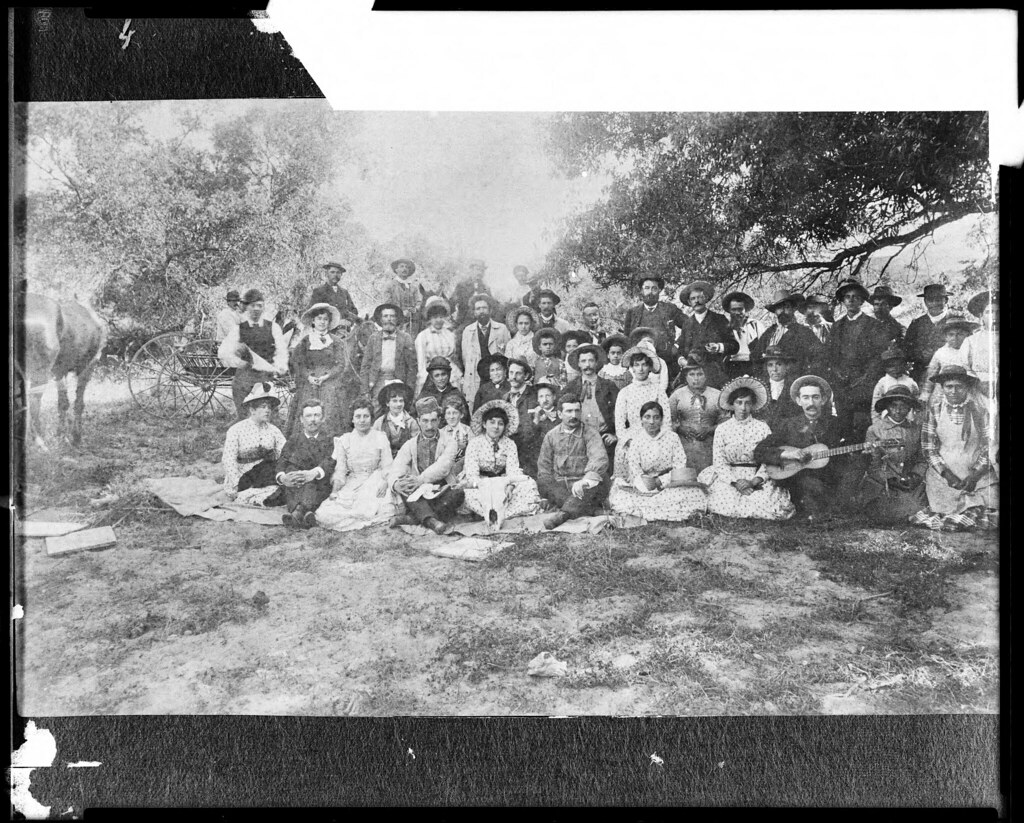

Before a character explains who they are, costume has already begun the work. Fabric, fit, color, wear and repetition all shape the audience’s first interpretation.
Clothes Carry Social Information
A sharply tailored coat suggests resources and control. Frayed cuffs may signal financial strain, neglect or hard use. Uniforms place characters inside institutions before the plot explains their role.
Good costume design communicates without becoming a visual codebook. The details feel natural within the world while quietly guiding attention.
Change Becomes Visible
Character development is often reflected through clothing. A person may move from restrictive silhouettes to freer ones, adopt another group’s style or return to an earlier look after a crisis.
These changes can be subtle. A color appears more often, shoes become practical or clothing begins to fit differently.
Historical Accuracy Is a Choice
Period productions balance research with storytelling. Exact reconstruction may be less important than creating a believable emotional world.
The Costume Designers Guild offers insight into the profession at https://costumedesignersguild.com/.
Repetition Builds Identity
Signature garments help audiences recognize a character quickly. Repetition can also show attachment, routine or resistance to change.
When the familiar item disappears, viewers notice even if they cannot explain why.
Costume Is Collaborative
Designers work with directors, actors, cinematographers and production designers. A fabric that looks beautiful in person may behave differently under lighting or during movement.
The actor’s physical comfort also matters, especially in action scenes or long shoots.
Conclusion
Costume design is not decoration added after character development. It is one of the ways character is created, giving audiences information about history, desire and transformation before dialogue catches up.