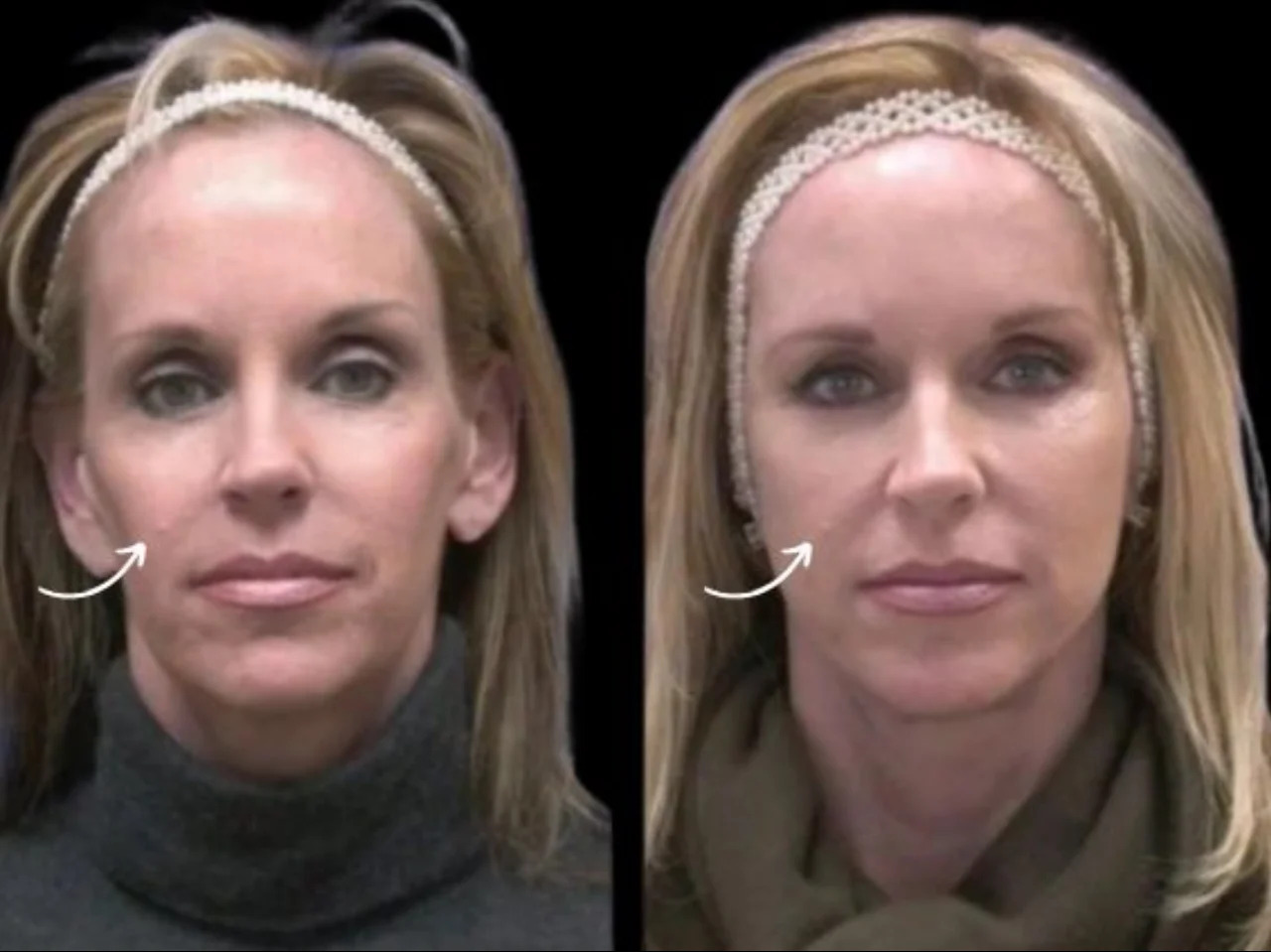
Skin resilience is an important consideration in aesthetic care because it influences how the skin maintains its texture, firmness, elasticity, and overall appearance over time. Ageing, environmental exposure, lifestyle habits, and changes in collagen production can gradually affect the skin’s structure. For individuals exploring treatments that support collagen development, Sculptra fillers may be an option worth discussing during a professional consultation.
The Best Doctors in Dubai approach skin resilience by considering more than the appearance of individual lines or areas of volume loss. A comprehensive assessment examines skin quality, underlying tissue support, facial or body anatomy, medical history, and realistic expectations. Sculptra is a poly-L-lactic acid (PLLA) injectable that stimulates the body’s collagen production rather than acting solely as a conventional volumising filler.
At Perfect Doctors Clinic, Dr Perfect Celebrity can assess whether a collagen-stimulating treatment is appropriate for an individual’s concerns and long-term aesthetic goals. Understanding how Sculptra works, what it can realistically achieve, and which factors influence treatment planning helps patients make informed decisions.
Understanding Skin Resilience and Collagen Support
Skin resilience refers to the skin’s ability to maintain its structure, flexibility, and appearance while responding to normal ageing and environmental influences. Collagen provides structural support, while elastin contributes to elasticity. Hydration, skin thickness, the surrounding tissue, and the skin’s natural repair processes also influence its condition.
As collagen production changes with age, the skin may gradually appear thinner, less firm, or less supported. These changes do not occur at the same rate in everyone. Genetics, sun exposure, smoking, nutrition, sleep, and certain medical conditions can influence skin quality.
The Best Doctors in Dubai consider these differences when discussing treatments designed to support collagen. Rather than promising to reverse every sign of ageing, a responsible approach identifies which concerns may respond to treatment and which may require different strategies.
Why Collagen Matters for Skin Quality
Collagen contributes to the skin’s supportive framework. When its structure and density change, some individuals notice:
- Reduced firmness and a less supported appearance.
- Changes in skin texture and surface smoothness.
- Gradual facial volume changes.
- More noticeable folds or shadows in selected areas.
- Changes in the appearance of skin around the cheeks, jawline, neck, or body.
These concerns do not automatically mean that injectable treatment is necessary. Skincare, sun protection, lifestyle adjustments, and other medical or aesthetic treatments may be appropriate depending on the underlying cause.
What Are Sculptra Fillers?
Sculptra fillers are injectable treatments containing poly-L-lactic acid, a biocompatible, biodegradable synthetic material. They are designed to stimulate collagen production gradually. Unlike traditional hyaluronic acid fillers, which can provide relatively immediate volume by attracting water and occupying space, Sculptra works through a different biological process.
Following treatment, the body’s response to the material can encourage collagen formation over time. The visible changes therefore develop progressively rather than appearing as a final result immediately after injection.
Although the term Sculptra dermal filler is commonly used, it is important to understand that Sculptra is a collagen-stimulating injectable with characteristics that differ from many conventional dermal fillers.
How Sculptra Supports Gradual Changes
The treatment process involves several stages:
- Initial injection: A qualified medical professional places the product in selected tissue planes according to the treatment plan.
- Biological response: The body responds to the injected PLLA particles.
- Collagen development: Collagen production may increase as the tissue responds over time.
- Progressive assessment: The clinician evaluates changes over subsequent weeks and months before deciding whether additional treatment is appropriate.
The outcome depends on individual biology, the treatment area, technique, product preparation, and the number and spacing of sessions. Results are not guaranteed, and Sculptra does not provide the same type of immediate correction as every other injectable treatment.
How the Best Doctors in Dubai Assess Skin Resilience Goals
Skin resilience is not a single measurable aesthetic feature. One person may want to improve the appearance of facial skin that seems less firm, while another may be concerned about changes in cheek support or body contours. These goals require individual assessment.
The Best Doctors in Dubai can use a structured consultation to determine whether the concern relates primarily to skin quality, volume loss, laxity, or another issue. This distinction matters because collagen stimulation may be helpful for selected concerns but may not adequately address substantial skin excess or significant structural changes.
Evaluating Skin and Soft-Tissue Characteristics
A consultation may include an assessment of:
- Skin thickness, texture, and visible elasticity.
- Existing facial or body volume and contour.
- The location and degree of tissue support changes.
- Previous cosmetic procedures and their outcomes.
- Medical history, allergies, medications, and supplements.
- Personal expectations, available recovery time, and preferred degree of change.
This evaluation helps establish whether Sculptra is suitable or whether another treatment, including no injectable treatment, would be more appropriate.
At Perfect Doctors Clinic, Dr Perfect Celebrity can discuss individual goals and explain the anticipated treatment process, limitations, potential risks, and alternatives before a decision is made.
Sculptra in Dubai: Considering Environmental and Lifestyle Factors
People exploring Sculptra in Dubai may also need to consider how local environmental conditions affect their skincare routines. Strong ultraviolet exposure, heat, air conditioning, and outdoor activities can influence skin hydration and the appearance of sun-related ageing.
These factors do not determine whether someone is a suitable candidate for Sculptra, but they are relevant to a broader skin-care plan. Collagen-stimulating injections should not replace daily sun protection or appropriate skincare.
Useful supportive habits include:
- Applying broad-spectrum sunscreen and reapplying it as directed.
- Using a moisturiser suited to individual skin needs.
- Avoiding smoking and limiting other habits that may adversely affect skin health.
- Maintaining balanced nutrition and adequate hydration.
- Following personalised aftercare instructions after an injectable procedure.
- Attending follow-up appointments to assess the response and discuss concerns.
Skin resilience is influenced by multiple factors, so treatment planning should consider daily habits alongside any proposed aesthetic procedure.
Sculptra Face Treatments and Facial Balance
The face is a common area of interest for people considering collagen-stimulating treatments. Changes in collagen, fat distribution, bone structure, and soft-tissue support can affect facial contours over time. However, not every visible fold or shadow results from collagen loss alone.
Sculptra face treatment may be considered for selected facial concerns when a qualified practitioner determines that gradual collagen stimulation is appropriate. Treatment planning should account for the relationship between different facial features rather than focusing exclusively on one line or hollow.
Sculptra Cheeks and Midface Support
Sculptra cheeks treatment may be discussed when reduced soft-tissue support contributes to changes in cheek contour. The aim is to develop a suitable treatment plan that respects natural proportions rather than creating excessive fullness.
The clinician should evaluate cheek anatomy, skin quality, existing volume, and the patient’s expectations. The suitability of Sculptra depends on the intended outcome and the specific product’s approved use. It should not be assumed that every cheek concern will benefit from the same approach.
Sculptra for Neck Skin Concerns
Sculptra for neck concerns requires careful evaluation because the neck has different anatomical characteristics from the face. Fine lines, skin laxity, pigmentation, and changes in tissue thickness can have different causes.
Sculptra should only be considered for an appropriate treatment area when supported by the product’s authorised use and a qualified clinician’s assessment. It may not be suitable for all neck concerns, and alternatives such as skincare or other professionally recommended treatments may be more appropriate.
Sculptra for Buttocks and Body Contouring Goals
Some individuals explore Sculptra for buttocks to address selected contour concerns or seek a gradual change in the appearance of the treated area. Body treatments require particularly careful consideration because the amount of product, treatment depth, anatomy, and evidence for the proposed use differ from facial applications.
The terms buttocks Sculptra, Sculptra buttock injections, and Sculptra filler for buttocks are commonly used when discussing these goals. However, the suitability, safety, regulatory status, and supporting evidence for a particular body application must be assessed rather than assumed.
Sculptra for Hip Dips
Sculptra for hip dips is sometimes discussed by people seeking a smoother transition between the hip and outer thigh. Hip dips are a normal anatomical feature influenced by pelvic structure, muscle distribution, and fat placement.
Collagen-stimulating treatment cannot change the underlying shape of the pelvis. Any potential contour change is limited and depends on the individual and the proposed technique. Patients should understand the expected degree of improvement and the uncertainty surrounding results before proceeding.
Important Considerations for Body Treatments
Before considering Sculptra for buttocks or another body application, discuss the following:
- Whether the intended use is authorised in the relevant jurisdiction.
- The practitioner’s specific training and experience with the proposed area.
- The available clinical evidence and known complications.
- Whether another treatment would be more appropriate.
- The expected number of sessions, total cost, and follow-up requirements.
Patients seeking a substantial increase in buttock size should understand that Sculptra is not equivalent to surgical augmentation and may not achieve a major structural change. A thorough consultation is essential before choosing any injectable body-contouring procedure.
Treatment Planning With the Best Sculptra Fillers Doctors in Dubai
Choosing a practitioner involves more than comparing photographs or advertised results. Patients should look for appropriate medical qualifications, relevant procedural training, transparent discussions of risks, and a clear plan for follow-up care.
The Best Sculptra Fillers Doctors in Dubai should be able to explain the difference between collagen stimulation and immediate filler correction, describe the limits of treatment, and provide information about alternatives.
What an Individualised Treatment Plan Should Include
A responsible treatment plan generally covers:
- The patient’s principal concerns and desired outcome.
- An assessment of anatomy and skin characteristics.
- Medical history, allergies, and relevant medications.
- Product identification, preparation, and traceability.
- The rationale for the treatment area and technique.
- Expected timing of changes and possible repeat sessions.
- Potential side effects, complications, and alternatives.
- Written aftercare guidance and follow-up arrangements.
The consultation should allow time for questions without pressure to proceed. Patients should be able to decline treatment or request additional information before providing informed consent.
At Perfect Doctors Clinic, Dr Perfect Celebrity can explain how individual goals relate to the potential benefits and limitations of Sculptra. The decision should be based on clinical suitability rather than a promise of a particular appearance.
Celebrity Clinics in Dubai and Informed Treatment Choices
Interest in Celebrity Clinics in Dubai often reflects a desire for personalised service and polished aesthetic outcomes. However, celebrity associations, marketing language, and attractive photographs are not reliable substitutes for medical credentials or evidence of safe practice.
Patients should assess a clinic according to its professional standards, consultation process, product handling, emergency preparedness, and approach to follow-up care. Before-and-after images, when available, should be interpreted carefully because lighting, angles, facial expressions, and image editing can affect how results appear.
Similarly, searches for Celebrity Doctors In Dubai should lead patients to verify qualifications and relevant experience rather than assume that public visibility establishes clinical expertise.
A trustworthy provider explains what can reasonably be achieved, identifies uncertainty, and avoids guaranteeing results. This is particularly important for Sculptra because changes develop gradually and vary from person to person.
Understanding Sculptra Cost and Price Factors
The Sculptra cost and Sculptra price can vary according to the treatment area, the amount of product required, the clinician’s fees, the number of sessions, and the complexity of the treatment plan.
A quote should clarify what is included instead of presenting a single price without context. Since results develop over time, the total treatment cost may differ from the cost of an initial appointment.
When discussing cost at Perfect Doctors Clinic, patients can ask for a breakdown covering:
- Consultation and assessment fees.
- Product quantity and number of planned sessions.
- Follow-up appointments.
- Any additional recommended services.
- The potential cost of reassessment or further treatment.
The lowest advertised price does not necessarily represent the best value. Product authenticity, appropriate medical expertise, sterile technique, and access to follow-up care are important considerations. No patient should feel pressured into purchasing multiple sessions before the response to an initial treatment has been evaluated.
Recovery, Side Effects, and Follow-Up
Sculptra injections may cause temporary swelling, tenderness, redness, bruising, or discomfort at the injection sites. Small lumps or nodules may also develop, sometimes becoming noticeable after the initial recovery period. Less common but more serious complications can occur with injectable procedures.
Patients should follow the treating clinician’s instructions and attend recommended reviews. Massage or other aftercare measures should be performed only according to the specific product instructions and personalised medical guidance.
Seek prompt medical assessment if symptoms are worsening, persistent, or unusual. Severe pain, skin colour changes, rapidly increasing swelling, fever, or signs of infection require urgent evaluation. Difficulty breathing or other symptoms of a severe allergic reaction require emergency medical attention.
Follow-up appointments help the clinician assess the response, review any side effects, and determine whether further treatment is appropriate. Additional injections should not be scheduled solely because an immediate change is not visible.
Conclusion
Skin resilience depends on collagen, tissue structure, environmental exposure, lifestyle, and individual biology. Sculptra fillers may support gradual collagen development in selected patients, but they are not a universal solution for wrinkles, laxity, or volume loss. Their suitability depends on the treatment area, medical history, product-specific guidance, and realistic expectations.
The Best Doctors in Dubai should approach Sculptra treatment through careful assessment, transparent communication, and a personalised plan that prioritises safety and natural-looking outcomes. At Perfect Doctors Clinic, Dr Perfect Celebrity can discuss the potential benefits, limitations, risks, and alternatives relevant to an individual’s goals.
Whether someone is considering Sculptra for facial support or exploring body-contouring options, the most important step is an informed consultation with a qualified medical professional. A thoughtful approach focuses on appropriate treatment, gradual reassessment, and long-term skin health rather than promising a specific result.
Frequently Asked Questions
1. What is Sculptra, and how does it support skin resilience?
Sculptra is an injectable containing poly-L-lactic acid that stimulates the body’s collagen production. In suitable patients, this process may gradually improve selected aspects of tissue support and appearance. It does not guarantee stronger skin or reverse every sign of ageing.
2. How do the Best Doctors in Dubai assess Sculptra suitability?
They review medical history, skin quality, anatomy, treatment goals, medications, allergies, and previous procedures. They also explain potential risks, alternatives, expected timelines, and whether the proposed treatment area is appropriate.
3. How long does Sculptra take to show results?
Changes develop gradually as the body responds to the injectable and produces collagen. The timeline varies between individuals, and more than one session may be recommended. Immediate post-injection swelling should not be mistaken for the final result.
4. Is Sculptra the same as a traditional dermal filler?
No. Many hyaluronic acid fillers provide relatively immediate volume, while Sculptra primarily works by stimulating collagen production over time. The products have different characteristics, uses, risks, and treatment-planning requirements.
5. Can Sculptra cheeks treatment improve facial contours?
It may be considered for selected concerns involving cheek support, depending on individual anatomy and clinical suitability. A qualified practitioner should determine whether collagen stimulation is appropriate or whether another treatment would better address the concern.
6. Is Sculptra for buttocks suitable for everyone?
No. Suitability depends on the person’s goals, anatomy, medical history, the proposed technique, and the product’s authorised use. Patients should discuss the supporting evidence, potential complications, and alternatives before considering body-contouring injections.
7. Can Sculptra for hip dips change the underlying bone structure?
No. Sculptra cannot alter pelvic bone structure. Any potential contour change is limited to the effects of the treatment on the targeted soft tissues, and the degree of improvement varies between individuals.
8. What factors affect Sculptra cost in Dubai?
Cost may depend on the product quantity, treatment area, clinician’s fees, number of sessions, and follow-up arrangements. Patients should request a clear estimate of the overall treatment plan rather than compare initial appointment prices alone.
9. What side effects can occur after Sculptra injections?
Temporary swelling, redness, bruising, tenderness, and discomfort may occur. Lumps or nodules and other complications are also possible. Patients should follow aftercare instructions and promptly seek medical assessment for severe, worsening, or unusual symptoms.
10. How can I maintain skin resilience after Sculptra treatment?
Use broad-spectrum sunscreen, maintain a suitable skincare routine, avoid smoking, support general health through balanced nutrition, and follow the clinician’s aftercare advice. Attend follow-up appointments and remember that skincare and lifestyle measures complement rather than replace appropriate medical assessment.