When temperatures begin to drop, a comfortable blanket can make everyday life at home feel warmer and more relaxing. Whether you enjoy watching television on the sofa, reading in bed, or spending a quiet evening with family, the right blanket provides extra comfort without requiring you to change your entire home. Blankets are available in different fabrics, textures, sizes, and thicknesses, so choosing one depends on how you plan to use it and how much warmth you prefer. Some are designed for everyday lounging, while others work better as additional layers on a bed or decorative accessories that complement your furniture.
Why Blankets Are Useful During Winter
Winter blankets offer a simple way to make living spaces more comfortable when the weather becomes colder. A blanket placed over your legs while sitting on the sofa can provide welcome warmth, while an extra layer on the bed can help you feel more comfortable at night. They are also versatile because they can be moved between rooms, folded away when not needed, and used throughout the colder months.
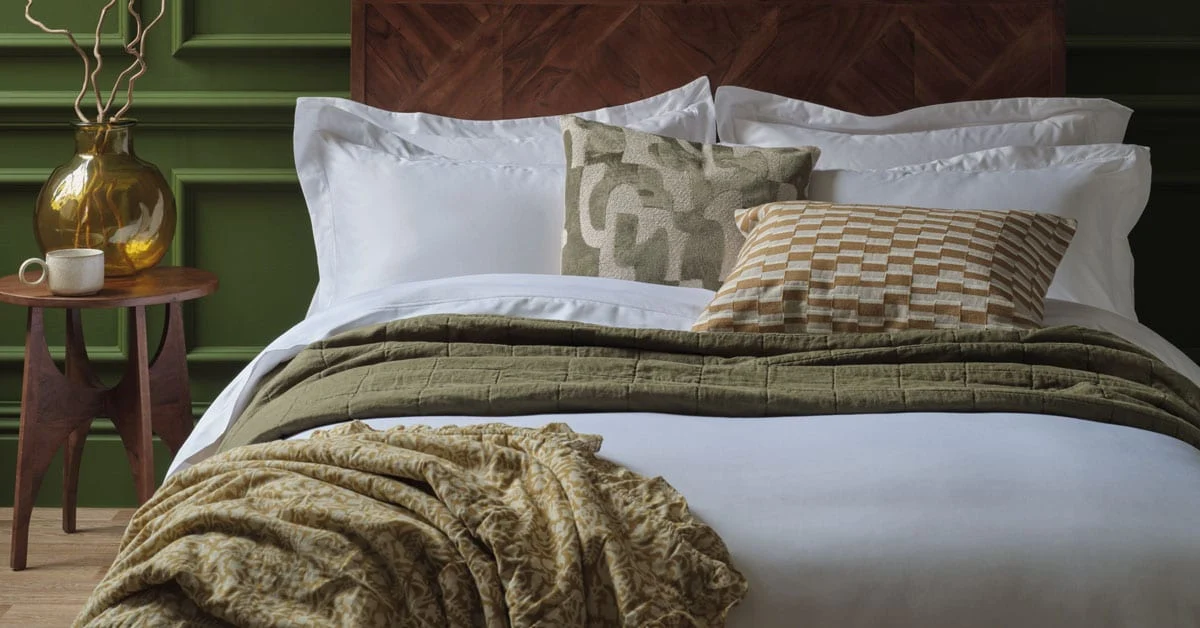
A blanket can also improve the appearance of a room. A neatly folded throw across the end of a bed creates a finished look, while a textured blanket draped over a sofa adds depth and makes the seating area feel inviting. Choosing colours that complement your existing furniture can help create a coordinated interior without replacing cushions, curtains, or other accessories.
Before buying, consider whether warmth, softness, appearance, or easy maintenance matters most to you. Understanding these priorities will make it easier to select a blanket that fits your daily routine.
Fleece Blankets for Everyday Comfort
Fleece blankets are a popular choice for colder weather because they are generally lightweight, soft, and comfortable to wrap around yourself. Many are made from polyester, which allows manufacturers to produce blankets in different colours, patterns, and thicknesses. Their relatively light weight makes them convenient for use on sofas, armchairs, and beds.
One advantage of fleece is that it can provide warmth without feeling as heavy as some traditional blankets. This makes it suitable for people who want an additional layer while relaxing rather than a bulky covering that is difficult to manage. Many fleece blankets are also machine washable, although the care label should always be checked before cleaning.
Fleece can be particularly useful in busy households where blankets are used frequently. However, quality varies between products. Look for a fabric that feels comfortable, has a suitable thickness, and is appropriate for the way you intend to use it. If the blanket will be washed regularly, following the manufacturer’s instructions can help maintain its texture.
Sherpa Blankets for Extra Warmth
Sherpa blankets are known for their fluffy, fleece-like texture, which resembles the soft surface of wool. Many designs combine a smooth fleece side with a thicker, textured backing. This construction creates a cosy feel that is especially appealing during cold evenings.
A sherpa blanket can be a good choice for a living room where people often sit still for long periods. It can be wrapped around the shoulders, placed over the knees, or shared across a sofa. The plush surface also gives it a comfortable appearance that works well with soft cushions and winter decorations.
These blankets can be useful on beds as well, particularly when you want an additional layer over your usual bedding. However, their thickness may make them less convenient to fold into small storage spaces. Some designs may also require gentle washing to preserve the texture, so check the instructions before purchasing.
Wool Blankets for Traditional Winter Warmth
Wool blankets are valued for their insulating properties and classic appearance. Wool fibres can help retain warmth while allowing some moisture vapour to move through the fabric, making wool an appealing option for people who prefer natural materials. Depending on the weave and thickness, a wool blanket can feel substantial and warm without needing a thick, fluffy construction.
A wool blanket can be placed over a bed for additional insulation or kept on the sofa for colder evenings. Traditional patterns, checks, and neutral colours can complement a range of interior styles, from rustic rooms to more contemporary spaces. Wool is also known for its durability when properly cared for.
The main consideration is maintenance. Some wool blankets can be washed at home using a suitable wool cycle, while others require specialist cleaning. Certain types of wool may also feel rough against sensitive skin. Check the fibre composition and care instructions, and choose a softer finish if you plan to use the blanket directly against your skin.
Cotton Blankets for Flexible Use
Cotton blankets are a practical option for people who want a comfortable layer that can be used in different seasons. Cotton is a familiar natural fibre with a breathable feel, and its performance depends on the weave, thickness, and finishing process. A lightweight cotton blanket may work well in a heated bedroom, while a thicker woven version can provide an additional layer during cooler weather.
Cotton blankets are available in simple woven designs, textured patterns, and decorative finishes. Their versatility makes them suitable for guest rooms, sofas, and beds. They can also be useful for households that prefer natural fabrics and want a blanket that does not feel excessively plush.
Care requirements vary according to the construction and size. Some cotton blankets can be machine washed, but larger or more delicate designs may need specific treatment. Always allow a washed blanket to dry thoroughly before folding it away or putting it back on the bed.
Choosing the Right Blanket for a Sofa
A sofa blanket should be comfortable to handle, large enough to provide useful coverage, and easy to keep clean. If you mainly want to cover your legs while watching television, a smaller throw may be sufficient. If you want to wrap it around your shoulders or share it with another person, a larger blanket will offer more flexibility.
Consider the sofa’s colour and fabric when selecting a design. A neutral blanket can blend naturally with existing furniture, while a contrasting colour can create a noticeable decorative feature. Textured finishes can also add visual interest to a plain sofa without making the room feel crowded.
Practicality matters just as much as appearance. If you have children or pets, consider a durable blanket that can be washed according to its care label. Choose a material that does not easily snag on the upholstery, particularly if your sofa has a textured surface. A blanket that folds neatly and stays comfortable after regular use is likely to be more useful than one chosen only for its appearance.
Finding a Blanket That Works on a Bed
When choosing a blanket for a bed, consider the size of the mattress and how you plan to position the covering. A smaller blanket can be folded across the foot of the bed, while a larger option may provide additional coverage over the duvet. Checking the dimensions before buying helps you avoid a blanket that looks too small or hangs awkwardly over the sides.
The material should suit your sleeping habits. If you tend to feel cold, a thicker wool or sherpa blanket may provide a welcome extra layer. If your bedroom is heated or you often feel warm at night, a lighter cotton blanket may be more comfortable. You can also keep a blanket at the foot of the bed and pull it over yourself only when needed.
Think about how the blanket will be washed and stored. Bed blankets can collect dust and need occasional cleaning, particularly when used regularly. A design that fits your washing facilities and cupboard space will be easier to maintain throughout the season.
How to Match Blankets With Your Home Décor
A blanket can become part of your room’s overall design rather than simply an item for warmth. Choosing colours that work with your existing furnishings helps create a balanced appearance. Cream, beige, grey, and other neutral shades can complement many interiors, while darker green, burgundy, navy, or rust tones can add a seasonal touch.
Texture is another useful consideration. A chunky knit blanket can make a room feel relaxed, while a smooth fleece throw offers a simpler finish. Wool and woven cotton designs can create a traditional look, especially when paired with wooden furniture and understated accessories.
You do not need to match every item exactly. Combining complementary colours and different textures can make a room look more interesting. For example, a plain blanket can work well with patterned cushions, while a patterned throw may suit a sofa with solid-coloured upholstery.
Caring for Blankets So They Last Longer
Proper care helps blankets remain comfortable and attractive throughout winter. Always read the care label before washing because different fibres respond differently to water, detergent, heat, and agitation. Using an unsuitable washing method can cause shrinking, matting, colour changes, or damage to the fabric.
Wash blankets when necessary rather than assuming every material needs frequent laundering. Blankets used directly against the skin or shared by several people may require more regular cleaning than decorative throws. Remove dust and loose fibres as appropriate, and allow the blanket to dry completely before storing it.
Storage also makes a difference. Fold clean blankets and keep them in a dry cupboard or suitable storage container. Avoid putting them away while damp, as trapped moisture can lead to unpleasant smells. If you use the same blanket every day, airing it occasionally can help it feel fresher between washes.
Where to Find Blankets and Bedding for Winter
When browsing different options, take time to compare fabric composition, dimensions, texture, washing instructions, and intended use. Product photographs can help you understand the style, but written specifications provide important details about the blanket’s construction and practical requirements.
You can explore bedding collections here to browse available styles and related home textiles.
Before ordering, check the product description carefully to confirm that the item meets your needs. Pay attention to its size, materials, delivery information, and care requirements. These details can help you make a more informed decision and avoid choosing a blanket that is unsuitable for your home.
Final Thoughts
The best winter blanket is one that suits your lifestyle, provides the level of comfort you want, and fits naturally into your home. Fleece and sherpa designs are appealing for soft, cosy evenings, wool offers traditional insulation, and cotton provides a versatile option for different rooms and seasons. Each material has its own advantages, so the right choice depends on your preferred texture, warmth requirements, and maintenance routine.
For sofas, prioritise comfortable coverage, durability, and a design that complements your furniture. For beds, consider mattress dimensions, additional warmth, and how easily the blanket can be washed and stored. By paying attention to these practical details, you can choose a blanket that makes winter evenings more comfortable while adding a welcoming touch to your living space.