Introduction
Artificial Intelligence is changing how Canadian businesses handle phone calls. Banks, clinics, retailers, telecom providers, and property agencies are replacing rigid menu systems with AI voice agents that understand natural speech, resolve routine requests, and pass complex cases to people.
For a buyer, the hard part is no longer deciding whether voice AI works. It is choosing a development partner who can deliver a system that fits Canadian realities: English and French service, strict privacy law, provincial rules in regulated sectors, and a customer base that expects quick, accurate answers.
This guide explains what AI voice agents are, what they can do, which companies are active in the Canadian market, and how to evaluate cost, security, and fit before you sign a contract.
What Are AI Voice Agents and How Do They Work?
An AI voice agent is a software system that holds a real-time spoken conversation with a customer. It understands what the caller says, retrieves or updates the right information, and replies in natural speech instead of playing pre-recorded prompts. Unlike a traditional IVR that pushes callers through menu trees, it listens to free-form speech and interprets intent even when it is phrased differently each time.
The Voice Agent Pipeline
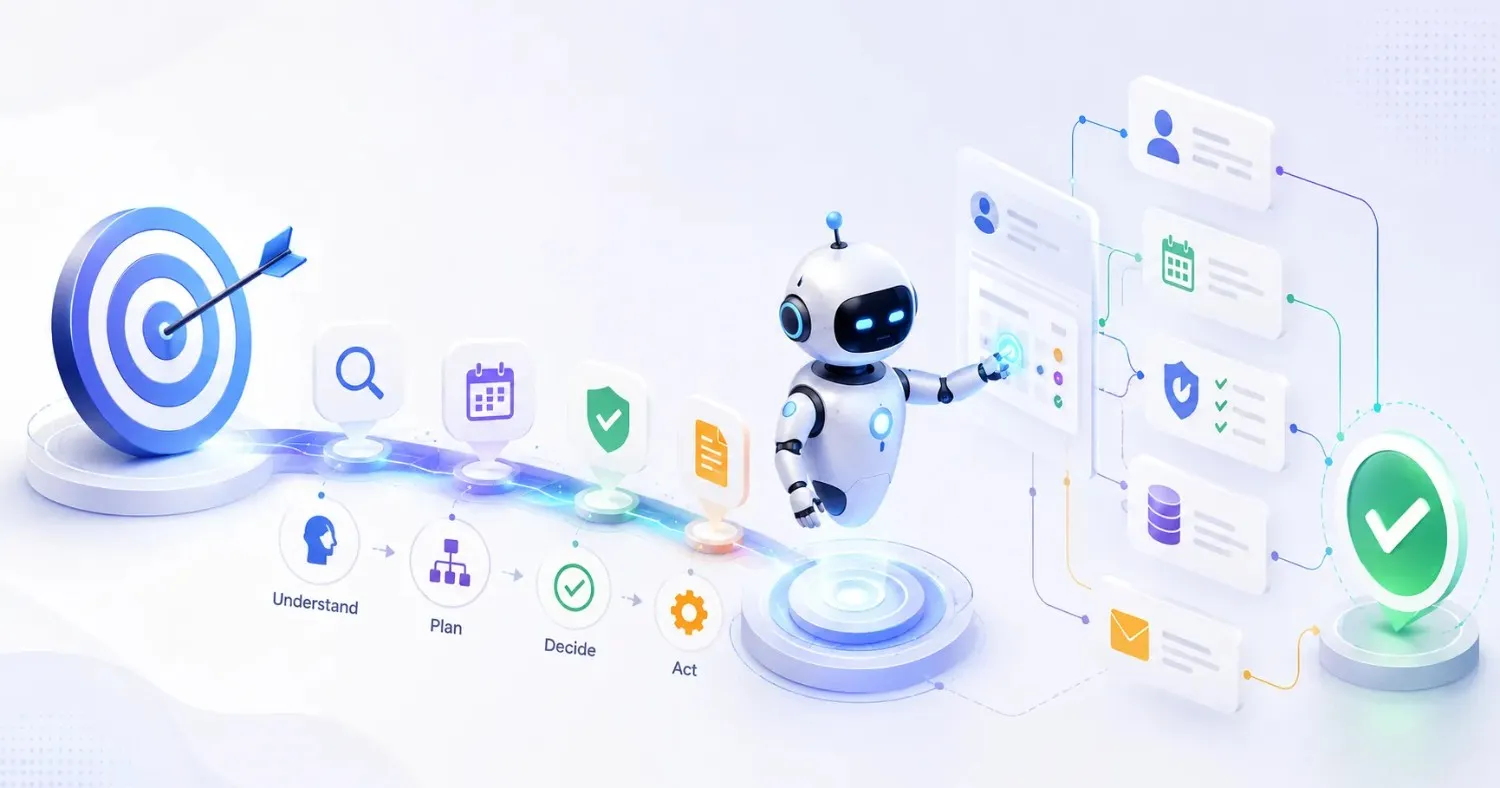
Here is how AI voice agents work: every call runs through a coordinated pipeline of AI components working together in real time.
- Speech Recognition: The caller’s speech is captured and converted into text as they speak.
- Intent Understanding: The system works out what the caller wants and extracts key details such as names, dates, or account references.
- Action and Data Retrieval: The agent queries or updates connected business systems to fulfil the request.
- Response Generation: A suitable reply is composed from the conversation so far and the data retrieved.
- Speech Output: The reply is converted into natural-sounding audio and delivered within a second or two.
Why Canadian Businesses Are Investing in AI Voice Agents in 2026
Investment is being driven by customer expectations, labour costs, and the maturity of speech and language technology. Several factors come up most often in Canadian buying decisions.
- Rising Service Expectations: Customers expect immediate answers by phone, and long hold times now cost businesses loyalty.
- Contact-Centre Cost Pressure: Staffing, training, and turnover make it expensive to scale human teams with call volume.
- Bilingual Service Needs: Many organisations must serve customers in English and French, and multilingual AI voice agents can cover both without duplicating teams.
- Mature Technology: Modern speech recognition, and the way large language models power conversational AI, make natural, usable voice conversations practical for production.
- Strong Local AI Ecosystem: Canada’s AI research strengths and growing vendor community give buyers a real choice of partners and platforms.
Key Benefits of AI Voice Agent Development for Businesses
A well-built voice agent improves both the cost line and the customer experience. The benefits below are the ones businesses report most consistently.
- 24/7 Customer Support: Customer support automation lets agents answer at any hour, including evenings, weekends, and holidays, without extra staffing.
- Reduced Operational Costs: Automating repetitive, high-volume calls lowers the need to scale human headcount.
- Faster Response Times: Calls are answered immediately, which removes hold queues for routine requests.
- Improved Lead Conversion: Instant lead qualification and automatic follow-up help sales teams reach leads while interest is still high.
- Scalable Customer Communication: Capacity expands during peaks such as promotions, outages, or renewal periods without hiring lead time.
Top AI Voice Agent Development Companies in Canada
The list below mixes specialist AI voice agent development companies in Canada with Canadian-founded AI platforms, large consultancies, and global cloud providers with Canadian data-centre regions. Offerings change quickly, so confirm each company’s current voice capabilities and pricing directly before shortlisting.
1. Vegavid Technology
Overview: Vegavid is an AI development company that builds custom, enterprise-grade voice agents and conversational AI systems for clients in several markets, and it offers AI voice agent development services in Canada.
- Services: Custom voice agent development, conversational AI design, voicebots, and workflow automation agents built around a client’s own processes.
- Industries: Healthcare, banking and finance, real estate, e-commerce, and logistics.
- Key Strengths: End-to-end delivery from conversation design through deployment, deep integration with existing business systems, and a compliance-first approach to architecture.
2. Voiceflow
Overview: Voiceflow is a Toronto-based platform for designing and deploying conversational AI agents, used by product and support teams to build chat and voice experiences.
- Services: A collaborative platform for designing, testing, and deploying conversational agents.
- Industries: Technology, e-commerce, financial services, and enterprise customer support.
- Key Strengths: Strong tooling for conversation design and team collaboration, which suits businesses that want to build and manage agents in-house.
3. Ada
Overview: Ada is a Toronto-founded company focused on AI-driven customer service automation across digital and voice channels.
- Services: AI agents that resolve customer service requests and connect to support systems.
- Industries: Technology, retail, financial services, and telecommunications.
- Key Strengths: A product built specifically for customer service automation, suited to teams that want a ready platform rather than a custom build.
4. Botpress
Overview: Botpress is a Quebec-founded platform for building AI agents that developers can customise and connect to other systems.
- Services: A developer-friendly platform for building, deploying, and managing AI agents.
- Industries: Technology, services, and businesses with in-house development teams.
- Key Strengths: Flexibility for technical teams and a Canadian base that suits bilingual English-French projects.
5. TELUS Digital
Overview: TELUS Digital provides customer experience, AI data, and digital services, and has deep experience running large contact-centre operations.
- Services: Customer experience outsourcing, AI-enabled support, and speech and language data services.
- Industries: Telecommunications, technology, financial services, and retail.
- Key Strengths: Large-scale operational experience that suits enterprises looking to blend automation with human support teams.
6. CGI
Overview: CGI is a Montreal-headquartered IT and business consulting firm with a long record of delivering large systems for Canadian enterprises and governments.
- Services: AI strategy, systems integration, and managed services for enterprise conversational and voice programmes.
- Industries: Government, banking, utilities, and healthcare.
- Key Strengths: Experience with regulated and public-sector environments and large, multi-system rollouts.
7. Dialpad
Overview: Dialpad offers AI-powered business communications and contact-centre software, with significant engineering operations in Canada.
- Services: Cloud telephony, AI call transcription and assistance, and contact-centre tools.
- Industries: Sales teams, customer support organisations, and mid-size to large enterprises.
- Key Strengths: A combined telephony and AI platform, which suits businesses that want voice AI inside their phone system.
8. Cohere
Overview: Cohere is a Toronto-based enterprise AI company that develops large language models for business use.
- Services: Language models and enterprise AI tooling that development partners can build voice agents on.
- Industries: Financial services, public sector, technology, and large enterprises.
- Key Strengths: A Canadian-built language model option, which can matter to buyers with data sovereignty or procurement preferences.
9. Microsoft
Overview: Microsoft offers speech, language, and agent-building services through Azure, and operates cloud regions in Canada.
- Services: Speech-to-text, text-to-speech, language models, and tools for building conversational agents.
- Industries: Enterprise IT, financial services, public sector, and healthcare.
- Key Strengths: Tight integration with Microsoft’s business software and the option to host data in Canada.
10. Google Cloud
Overview: Google Cloud provides speech, language, and contact-centre AI tools and operates cloud regions in Canada.
- Services: Speech recognition, speech synthesis, conversational agent tooling, and contact-centre AI.
- Industries: Retail, telecom, media, and large customer service operations.
- Key Strengths: Mature speech technology across many languages and the option to keep data in Canadian regions.
Key Services Offered by AI Voice Agent Development Companies
Providers differ in what they actually build. Knowing the service categories helps you match your project to the right kind of partner.
- Custom AI Voice Agent Development: Agents designed around your workflows, data, and compliance needs rather than a generic template.
- Conversational AI and Natural Language Processing: NLP in conversational AI covers dialogue design, intent handling, and context management that make calls feel natural.
- Inbound and Outbound Voice Automation: Agents that answer incoming calls and AI agent make outbound calls for reminders, renewals, or follow-ups.
- AI-Powered Customer Support: First-line support automation with escalation to human agents when needed.
- Voice Agent Integration and Deployment: Connecting the agent to telephony, CRM, and business systems, then launching and monitoring it.
Industry Use Cases of AI Voice Agents in Canada
Voice AI is being applied wherever call volume is high and requests are repetitive. These are the sectors where it is most active.
1. Healthcare and Appointment Scheduling
Clinics and health providers see the benefits of AI voice agents in healthcare: less front-desk workload and better patient access.
- Handling appointment scheduling by booking, confirming, and rescheduling appointments.
- Answering questions about services, hours, and preparation.
- Making reminder calls to reduce missed appointments.
2. Banking and Financial Services
Banks and other financial institutions use AI voice agents in banking and finance for high-volume, security-sensitive interactions.
- Handling balance and transaction enquiries after verification.
- Processing card-block and suspected-fraud requests.
- Providing application and loan status updates.
3. Retail and E-commerce
Retailers use AI voice agents in retail and e-commerce to keep response times steady during promotions and holiday peaks.
- Giving order status and delivery updates.
- Processing returns and refund requests.
- Answering product availability questions.
4. Real Estate
Property businesses use AI voice agents for real estate to handle heavy inbound enquiry volume, especially around new listings.
- Answering questions about listings, pricing, and availability.
- Booking viewings during the call.
- Qualifying leads and logging details in the CRM.
5. Telecommunications
Conversational AI in telecom is especially valuable because providers handle some of the highest call volumes of any sector.
- Handling plan, billing, and usage enquiries.
- Reporting and tracking service outages.
- Guiding customers through account changes.
6. Travel and Hospitality
AI voice agents in travel and hospitality serve customers at all hours and across time zones.
- Confirming bookings and itinerary changes.
- Answering questions about facilities and policies.
- Supporting travellers in English and French.
Essential Features to Look for in an AI Voice Agent
Demos can look impressive on clean audio, so judge providers against the features that matter on real calls.
- Natural, Low-Latency Conversation: Replies arrive quickly enough that the call feels like talking to a person.
- Bilingual English-French Support: Accurate recognition and natural replies in both official languages, including Canadian French.
- Interruption Handling: The agent copes when callers talk over it or change direction mid-sentence.
- Context Retention: The agent remembers earlier parts of the call and avoids asking the same question twice.
- Sentiment and Urgency Detection: The agent recognises frustration and escalates when appropriate.
- Warm Human Handoff: Transfers include the full conversation so customers never repeat themselves.
- Analytics and Reporting: Dashboards track resolution rates, call outcomes, and common query types.
AI Voice Agent Technology Stack: LLMs, Speech Recognition and Text-to-Speech
The tech stack for AI voice agent development combines several specialised components, and the quality of each affects the whole experience.
- Large Language Models: Interpret intent and generate natural, context-aware replies.
- Speech Recognition: AI speech recognition converts spoken audio into text in real time, ideally tuned for Canadian accents and both official languages.
- Text-to-Speech: Produces natural-sounding speech with human-like intonation.
- Telephony and Voice APIs: Connect the AI pipeline to actual phone lines and stream audio in real time.
- Retrieval and Knowledge Layer: Grounds answers in your approved business information to reduce incorrect responses.
- Cloud Infrastructure: Scalable hosting, ideally with Canadian data-centre regions where data residency matters.
Integration with CRM, ERP and Business Applications
A voice agent that cannot reach your systems can only talk, not resolve anything. Integration depth is often the biggest factor in real-world value.
- CRM Platforms: CRM integration lets agents look up customer records and log call outcomes in tools such as Salesforce, HubSpot, or Microsoft Dynamics.
- Helpdesk and Ticketing Systems: Create, update, and escalate support tickets during the conversation.
- ERP and Billing Systems: ERP integration retrieves order, invoice, and account data from core operational systems.
- Scheduling and Booking Tools: Check availability and confirm appointments directly.
- Telephony and Contact-Centre Platforms: Work with your existing phone system for routing and transfers.
- Payment Systems: Support billing queries and secure payment flows where required.
AI Voice Agent Development Process: Step by Step
A structured AI voice agent development process keeps the project on track and reduces the risk of a pilot that never reaches production.
- Discovery and Requirements: Define goals, call volumes, languages, systems, and compliance needs.
- Use-Case Selection: Start with high-volume, well-defined tasks that are easy to measure.
- Conversation Design: Map dialogues, escalation paths, and the data each interaction needs.
- Technology Selection: Choose speech, language, and voice components suited to your requirements.
- Development and Integration: Build the agent and connect it securely to your systems.
- Testing: Test across accents, noise conditions, both languages, and edge cases before launch.
- Phased Deployment: Roll out gradually and monitor real call outcomes closely.
- Continuous Optimization: Use live call data to improve accuracy, coverage, and resolution rates.
How Much Does AI Voice Agent Development Cost in Canada?
The cost of AI voice agent development varies widely with scope, so it is more useful to understand the drivers than to look for a single price. A narrow single-purpose voicebot sits at the lower end, a multi-use-case agent with CRM integration and bilingual support sits in the middle, and a full enterprise deployment with several systems and heavy compliance work sits at the top. Most providers quote in Canadian dollars or US dollars, so confirm the currency in every estimate. A detailed scoping conversation is the most reliable way to get an accurate figure.
- Number of Use Cases: Each additional workflow adds design, development, and testing effort.
- Languages Supported: English-French support, or additional languages, adds tuning and testing work.
- Integration Complexity: Legacy systems and multiple platforms increase engineering time.
- Compliance Requirements: Regulated sectors need extra security, audit, and privacy work.
- Custom Build or Platform: Fully custom development costs more upfront but offers more flexibility than a configured platform.
- Running Costs: Speech, language model, and telephony usage fees, plus monitoring and retraining, recur after launch.
AI Voice Agent Security, Privacy and Canadian Compliance Requirements
AI voice agent security and privacy compliance need to shape the design from day one, because voice data often includes personal and financial details. Rules depend on your sector and province, so confirm the details with your legal and compliance teams.
- PIPEDA: Canada’s federal private-sector privacy law sets out how organisations collect, use, and disclose personal information, and the Office of the Privacy Commissioner of Canada publishes guidance on it.
- Provincial Privacy Laws: Quebec’s Law 25 and the privacy statutes in Alberta and British Columbia add their own requirements, and Quebec’s rules in particular are strict.
- Health Information Rules: Provincial health privacy laws, such as Ontario’s PHIPA, apply to patient information handled by healthcare deployments.
- Consent and Call Recording: Tell callers they are speaking with an AI system and obtain appropriate consent for recording and data use.
- Outbound Calling Rules: Outbound campaigns are subject to CRTC telemarketing rules and the National Do Not Call List.
- Financial Sector Expectations: Federally regulated financial institutions face supervisory guidance on technology and third-party risk.
- Data Residency and Access Controls: Define where voice data is stored, how long it is kept, and who can access it.
✔ PIPEDA Aligned✔ Law 25 Ready✔ Consent Management✔ Encryption In Transit & At Rest✔ Role-Based Access✔ Canadian Data Residency
AI Voice Agents vs. Traditional IVR Systems
The difference between AI voice agents and IVR is that both automate calls but handle conversations in very different ways.
- Interaction Style: IVR forces callers through menu trees, while voice agents understand free-form speech.
- Flexibility: IVR breaks on unexpected phrasing, whereas voice agents interpret intent however it is expressed.
- Context: IVR treats each step in isolation, while voice agents remember earlier parts of the call.
- Integration: IVR typically supports limited, single-purpose lookups, while voice agents can act across multiple systems.
- Outcome: IVR mostly routes calls, while voice agents can resolve many requests end to end.
Custom AI Voice Agents vs. Ready-Made Solutions
The choice between custom AI voice agent development and off-the-shelf solutions depends on how specific and complex your requirements are, and many businesses start ready-made and move to custom as needs grow.
- Setup Speed: Ready-made platforms launch faster, while custom builds take longer because they are designed around your processes.
- Customization: Ready-made tools are limited to built-in options, whereas custom agents can match your exact workflows and brand voice.
- Integration Depth: Ready-made platforms are restricted to supported connectors, while custom builds can connect to almost any internal or legacy system.
- Data Control: Ready-made products often run on the vendor’s infrastructure, while custom builds give you more say over storage and processing location.
- Long-Term Cost: Ready-made products usually carry recurring licence or usage fees, while custom builds have a higher upfront cost and can be cheaper at scale.
How to Choose the Right AI Voice Agent Development Company in Canada
Knowing how to choose the right AI voice agent development company makes the difference between a voice agent customers like and one they hang up on. Compare providers on substance, using the criteria below.
1. Technical Expertise and Industry Experience
Voice AI is harder than chat because latency, interruptions, and audio quality all matter.
- Ask for working voice demos, not just chatbot examples.
- Look for prior deployments in your sector.
- Request references you can speak with directly.
2. Customization and Scalability
Your processes are specific to your business, and the system must keep working as call volumes grow.
- Ask how much of the conversation design you can control.
- Check how many concurrent calls the platform handles and how it performs under load.
- Confirm that new use cases and languages can be added later.
3. Integration Capabilities
A voice agent is only as useful as the systems it can reach.
- Verify integration with your CRM, helpdesk, booking, and telephony tools.
- Ask whether they use open APIs or proprietary connectors.
- Ask for named examples of similar integrations they have delivered.
4. Data Security and Privacy
Security is a selection criterion, not an afterthought.
- Ask how recordings and transcripts are encrypted, stored, and retained.
- Confirm where data is hosted and who can access it.
- Check their familiarity with PIPEDA, Quebec’s Law 25, and your sector’s rules.
5. Pricing, Support and Maintenance
Voice agents improve with real call data, so ongoing work matters as much as the launch.
- Ask for a clear breakdown of build, usage, and maintenance costs.
- Confirm what monitoring, tuning, and reporting are included.
- Check support response times and escalation paths.
Questions to Ask Before Hiring an AI Voice Agent Development Company
These questions to ask before hiring an AI voice agent development company help separate providers who have delivered real voice systems from those who have only demonstrated them.
- Can the solution integrate with our existing systems? Ask for named examples of the CRM and telephony platforms they have connected to.
- Does it handle English and French well? Ask for a live test with callers who speak the way your customers do.
- Where is our data stored and who can access it? Ask about hosting location, encryption, retention, and access controls.
- How does the agent hand off to a human? Ask how context is passed and how escalation rules are set.
- How is accuracy measured? Ask which metrics they track and how they report them.
- Can it scale with our call volume? Ask about concurrent call limits and performance during peaks.
- What support follows deployment? Ask what monitoring, tuning, and response times are included.
Common Challenges in AI Voice Agent Implementation
Voice AI delivers real value, but businesses should plan for the challenges of AI voice agents before launch.
- Recognition Accuracy: Handling accents and multilingual speech gets harder with background noise, poor connections, and varied accents, which can reduce speech recognition quality.
- Bilingual Handling: Callers switch between English and French, and both need to work well, including regional expressions.
- Complex Queries: Unusual or multi-part problems may exceed what the agent can safely handle alone.
- Integration Effort: Legacy or fragmented systems can take significant engineering work to connect.
- Customer Trust: Some customers prefer a person, so being open about AI use and offering an easy route to a human matters.
- Privacy Compliance: Meeting federal, provincial, and sector rules adds design and review work.
Future Trends in AI Voice Agent Development in Canada
The future of AI voice agents in Canada will be shaped by several trends as voice AI keeps developing quickly.
- More Natural Conversations: Improved models will handle interruptions, hesitations, and informal speech more smoothly.
- Stronger French and Multilingual Support: Accuracy in Canadian French and other languages spoken in Canada will keep improving.
- Proactive Engagement: Agents will reach out ahead of due dates, delays, or renewals instead of waiting for calls.
- Multimodal Interactions: Voice will blend with chat, messaging, and visual channels within a single customer journey.
- Deeper Workflow Automation: Closer system integration will let agents complete complex, multi-step requests without human help.
- Evolving AI Regulation: Rules on automated decision-making and AI use continue to develop, so buyers should check current requirements when planning a project.
Why Choose Vegavid Technology for AI Voice Agent Development?
Building a voice agent that performs reliably at scale takes more than stitching together off-the-shelf APIs. It takes experience in conversation design, systems integration, and compliance. As an AI Development Company, Vegavid brings that experience to voice AI projects for Canadian businesses.
- End-to-End Development: From conversation design through deployment and ongoing tuning, handled by one team.
- Deep System Integration: Experience connecting voice agents to CRM, ERP, telephony, and legacy systems.
- Compliance-First Architecture: Built with privacy law, data residency, and sector-specific rules in mind from the outset.
- Custom Workflows: Agents designed around your processes, not forced into a generic template.
- Dedicated AI Talent: Businesses can also Hire AI Engineers directly for ongoing development and support.
Conclusion
Choosing an AI voice agent development company in Canada comes down to a handful of factors that matter more than any sales pitch: real voice technology expertise, strong accuracy in English and French, solid integration with your systems, compliance with federal and provincial privacy law, and the ability to scale and keep improving after launch.
The businesses that see the best results start with measurable use cases, such as appointment booking or order tracking, prove the value, and then expand. Treating voice AI as an engineered system rather than a bolt-on feature is what separates pilots that stall from deployments that scale.
Ready to build an AI voice agent for your Canadian business? Explore custom AI voice agent development solutions with Vegavid Technology.