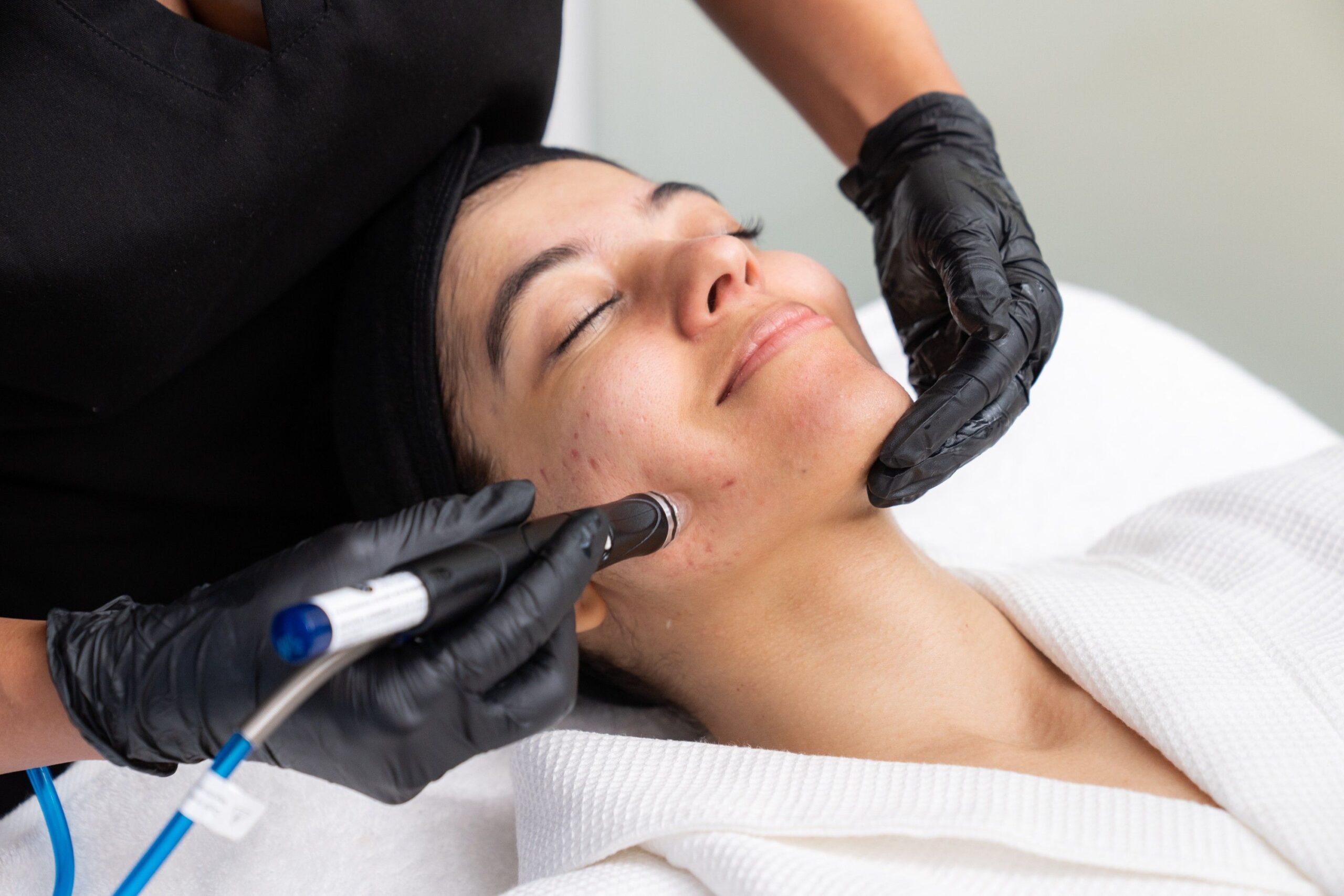
What Is a Hydrafacial Treatment?
Hydrafacial is a non-invasive skin treatment designed to cleanse the skin, exfoliate dead skin cells, remove impurities from pores, and deliver hydrating ingredients. It uses a specialised device that combines cleansing, gentle exfoliation, suction-based extraction, and the application of skin-conditioning serums in a structured procedure.
Unlike some intensive skin treatments, Hydrafacial generally involves minimal discomfort and little to no downtime. It can be a suitable option for people who want smoother, refreshed, and hydrated-looking skin without undergoing an aggressive procedure.
However, the results depend on your skin type, existing concerns, the products used, and the expertise of the treating professional.
Key Benefits of Hydrafacial Treatment
1. Deep Cleansing and Removal of Impurities
Daily cleansing helps remove surface dirt, oil, and makeup, but some impurities can remain within the pores. Hydrafacial uses gentle exfoliation and suction-assisted extraction to remove excess oil and debris. This may help improve the appearance of congested pores and leave the skin feeling cleaner.
2. Improved Skin Hydration
Hydrafacial delivers hydrating ingredients that help support the skin’s moisture levels. Well-hydrated skin often appears smoother, softer, and more radiant. This benefit can be particularly appealing to people experiencing dryness, tightness, or temporary dullness.
3. Smoother Skin Texture
The exfoliation process removes some dead skin cells from the surface, helping improve skin smoothness and brightness. With appropriate treatment, the skin may look more refined and feel softer to the touch.
4. A Temporary Glow and Fresher Appearance
One of the most noticeable benefits of Hydrafacial is the immediate improvement in the skin’s appearance. By removing surface buildup and improving hydration, the treatment can create a fresher, more luminous look. This is why some people choose it before special occasions.
5. Support for Oily and Congested Skin
People with excess oil, visible pores, and mild congestion may benefit from professional cleansing and extraction. However, Hydrafacial does not permanently shrink pores or eliminate the underlying causes of acne. Active inflammatory acne may require a dermatologist-prescribed treatment plan.
Who Should Consider Hydrafacial?
Hydrafacial may be appropriate for adults who want to address:
- Dull-looking or dehydrated skin
- Mild pore congestion and excess oil
- Uneven skin texture
- Roughness caused by surface buildup
- A temporary improvement in skin radiance before an event
The procedure can be adapted to different skin types, but suitability should be assessed individually. People with sensitive skin may need gentler settings and carefully selected products.
Who Should Avoid or Postpone Hydrafacial?
Although generally well tolerated, Hydrafacial is not suitable for everyone at every point in time. People with active skin infections, open wounds, significant irritation, or a severe acne flare should postpone treatment until the condition has been assessed and managed.
Those with eczema, rosacea, a compromised skin barrier, or a history of reactions to skincare ingredients should consult a dermatologist before proceeding. Certain exfoliating ingredients may worsen irritation in susceptible skin.
If you are using prescription acne treatments, retinoids, or other products that increase skin sensitivity, discuss your routine with your dermatologist before treatment. Avoiding unnecessary irritation is more important than pursuing an immediate glow.
What Should You Do Before and After Hydrafacial?
Before the procedure, share your medical history, allergies, current skincare routine, and any recent cosmetic treatments with your provider. Follow their advice regarding exfoliating products and prescription medications.
After treatment, use a gentle cleanser, a moisturiser suited to your skin, and broad-spectrum sunscreen with SPF 30 or higher. Avoid harsh exfoliation and other potentially irritating treatments until your skin has settled. Contact your dermatologist if you experience persistent redness, swelling, pain, or an unusual reaction.
Is Hydrafacial Worth It?
Hydrafacial can be a useful option for improving skin hydration, surface smoothness, and temporary radiance. However, it is not a universal solution for pigmentation, deep acne scars, wrinkles, or persistent acne. These concerns may require targeted medical treatments.
A dermatologist can assess your skin and recommend whether Hydrafacial, another procedure, or a consistent skincare routine is the most appropriate choice. The goal should be healthy skin and realistic, sustainable results—not