Introduction
Personal style is not about owning the most expensive clothes or following every trend. It is about choosing pieces that feel like you and combining them in ways that look consistent over time. The hoodie, one of the most familiar garments in any wardrobe, is a surprisingly good tool for this. It is simple enough to style endlessly and open enough to carry a personal message.
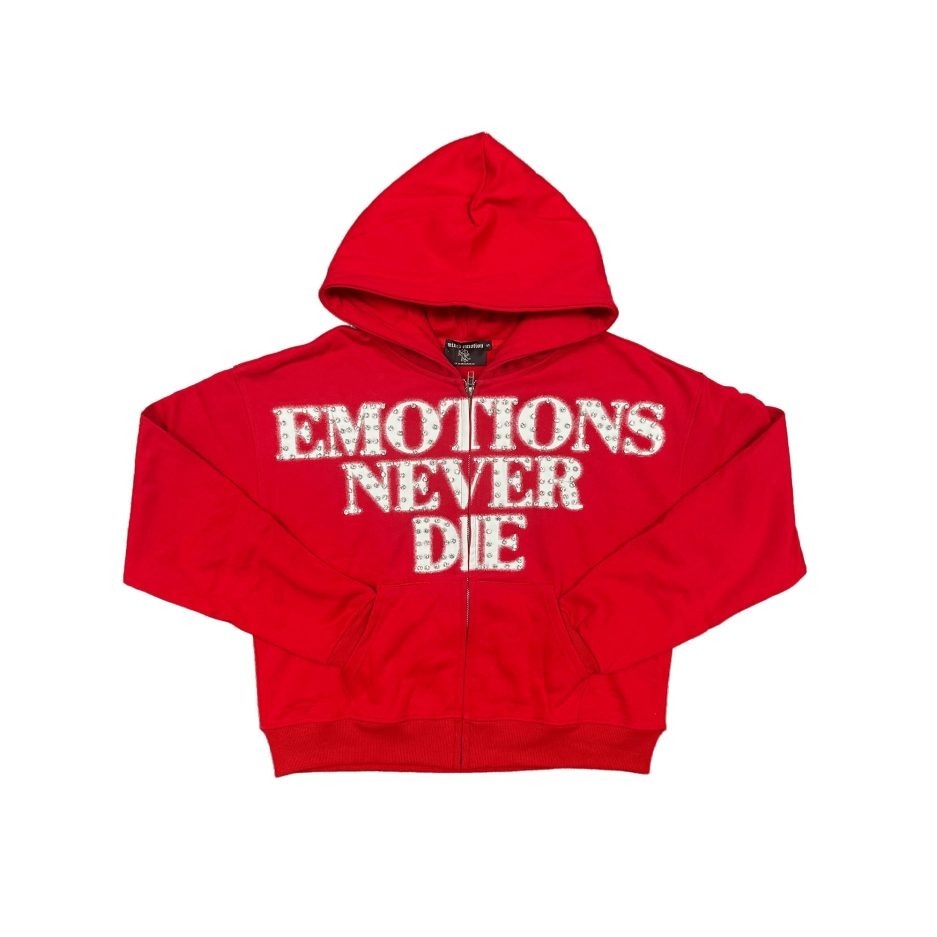
The “Mixed Emotions Clothing” hoodie, as a style and theme, adds another layer. Designs built around contrast, duality, and ambiguity reflect something many people recognise in themselves: that feelings are rarely one-note. This essay explores how to use hoodies with that sensibility to develop a distinct personal style. It covers how to define your own aesthetic, how to choose designs and fits, and how to build outfits, then moves on to colour, accessories, and care. Because “Mixed Emotions” is used by various brands for different pieces, it is treated here as a theme rather than a single product, so check specific listings for exact details.
Starting With Your Own Aesthetic
Distinct style begins with self-awareness. Before buying anything, consider what you are drawn to. Look at the clothes you reach for most often, the outfits you feel best in, and the images that catch your attention. Patterns usually emerge: perhaps you favour muted tones and clean lines, or bold graphics and loose shapes.
A helpful exercise is to write down three words that describe how you want your clothes to feel, such as calm, edgy, and thoughtful. These words become a filter. When you consider a hoodie, ask whether it fits them. A mixed-emotions design often suits people who value honesty, nuance, and a slightly introspective tone, but it works equally well for anyone who simply likes the visual language of contrast.
Why Mixed Emotions Works as a Style Theme
Themes give a wardrobe coherence. When your pieces share a mood, they look like they belong together even if they differ in colour or cut. The Mixed-Emotions Hoodie idea is particularly flexible because it is about duality, and duality can be expressed in many ways: split graphics, two-tone colour blocking, contrasting typefaces, overlapping shapes, or paired words that pull in opposite directions.
It also avoids the narrowness of loud branding. Rather than advertising a label, the design hints at an inner state, which makes it feel more personal. People who notice and understand the reference often feel an immediate connection, which is part of the appeal.
Choosing the Right Design
Not every graphic suits every person, so choose with intention.
Subtle designs. Small chest prints, tonal embroidery, or minimal typography suit people who prefer understated style. They pair easily with other pieces and look refined in more formal settings.
Statement designs. Large graphics and bold contrasts suit those who want the hoodie to be the centre of the outfit. If you choose this route, keep the rest of the outfit simple so the design has room.
Abstract designs. Shapes, textures, and colour fields that evoke mood without words appeal to people who like interpretation. They can feel more artistic than slogan-based pieces.
Whichever you choose, consider longevity. A design you love now should still feel right in a year. Restrained pieces generally age better than those tied tightly to a passing trend.
Fit as Self-Expression
Fit is as personal as graphics. A regular fit gives a clean, balanced look and layers well. A relaxed or oversized fit signals a more contemporary, streetwear-influenced taste and feels comfortable and enveloping. A cropped or boxy cut can give a sharper, more fashion-forward shape.
The best fit is the one you feel confident wearing. Pay attention to shoulder seams, sleeve length, and hem position, and check the size guide, since sizing varies between brands. Many people find that mixing fits across their wardrobe Mixed Emotions Hoodie, with one oversized and one regular hoodie, offers the most flexibility.
Building Outfits Around the Hoodie
A distinct style is expressed through consistent choices, not individual outfits. Still, a few formulas can help you start.
Relaxed and neutral. A muted-colour hoodie with straight-leg jeans and clean sneakers. This is an easy base from which you can add personality through small details.
Contrast with structure. Pair a graphic hoodie with a tailored coat or blazer and straight trousers. The mix of soft and sharp echoes the duality of the theme and looks deliberately styled.
Tonal and quiet. Dress in shades of one colour family, letting the design and silhouette carry the outfit. This is a good approach for people who prefer subtlety.
Directional and layered. Combine an oversized hoodie with wide-leg trousers, layered tees, and chunkier footwear for a bolder, more experimental look.
Try each formula and note which feels most natural. Your preferences will quickly clarify.
Colour as a Signature
Colour is one of the fastest ways to make a wardrobe feel personal. Some people build their style around neutrals such as black, grey, and cream, using texture and fit for interest. Others favour earth tones like olive, rust, and brown, which add warmth and pair easily with denim.
If you enjoy colour, consider limiting yourself to a small palette of three or four shades that you repeat across your wardrobe. This repetition creates a recognisable identity, and it makes outfits easier to assemble. A mixed-emotions hoodie in a two-tone design can serve as a bridge between shades in your palette.
Accessories and Details
Small details turn a good outfit into a personal one. A beanie or cap, a simple chain or ring, a tote or crossbody bag, and a favourite pair of shoes all contribute. Choose a few signature items and wear them consistently, rather than adding something new every day.
Footwear in particular shapes the mood. Minimalist sneakers keep things clean, boots add edge, and chunkier trainers push the look toward streetwear. Keep accessories restrained when the hoodie has a strong graphic, and allow them more room when the hoodie is plain.
Avoiding Common Pitfalls
A few mistakes can weaken an otherwise good look. Following trends too closely can leave you with pieces that do not feel like you. Overloading an outfit with graphics, colours, and accessories creates visual noise. Ignoring fit undermines even the best design. And buying many cheap items rather than a few good ones leads to a wardrobe that does not last.
It is also worth remembering that clothing is a form of expression, not a replacement for real emotional support. A hoodie can reflect how you feel and help you feel seen, but it cannot do the work of rest, conversation, or care.
Caring for Your Hoodies
Well-kept clothes look better and last longer. Wash hoodies inside out in cool water to protect prints and fabric, avoid high dryer heat, and air dry where you can. Store them folded rather than hung to prevent stretching at the shoulders and hood. Check care labels, since printed or embroidered pieces sometimes need special handling. Rotating between pieces reduces wear and helps each hoodie keep its shape.
Conclusion
Creating a distinct personal style is a gradual process of noticing what you like, choosing pieces that reflect it, and wearing them consistently. A hoodie built around the idea of mixed emotions offers a flexible starting point, combining comfort with a theme that many people find honest and relatable.
By defining your aesthetic, choosing designs and fits with care, building a controlled palette, and paying attention to small details, you can turn a simple hoodie into a signature piece. Start with one or two pieces you truly love, let your style develop naturally, and trust your own instincts. The most distinctive wardrobes are rarely the loudest. They are the ones that feel genuinely like the person wearing them. Read More….