Families dealing with a loved one’s estate are discovering that the paperwork side of probate has become far less forgiving than it used to be. Frozen tax thresholds, strict payment deadlines, and increased scrutiny from HMRC mean that getting accurate antique valuations done early in the process is no longer a nice-to-have but in fact often the difference between a smooth estate settlement and a stressful, costly delay.
Why the Pressure Is Building on Executors
The UK’s inheritance tax nil-rate band has been frozen at £325,000, with the freeze extended until April 2031. As property and asset values have continued to climb while that threshold stays fixed, more ordinary estates are being pulled into inheritance tax territory than ever before, a dynamic often referred to as fiscal drag. Meanwhile, the payment clock doesn’t wait for paperwork to catch up: inheritance tax is generally due within six months of the end of the month in which the person died, and that deadline applies regardless of how complicated the estate turns out to be.
A Deadline That Doesn’t Bend
Many families are often surprised to learn that tax must typically be arranged before probate is granted, even though accessing the estate’s assets usually requires probate in the first place. Executors are effectively asked to value and account for everything the deceased owned before they can legally touch most of it. That squeeze is precisely why early, accurate valuations of jewellery, watches, art and antiques matter so much: there’s no room left in the timeline for guesswork.
HMRC Is Watching Valuations More Closely
It isn’t just the deadline that’s tightened. HMRC can challenge undervaluations for up to 20 years after a death and impose penalties of up to 100% of any unpaid tax. A rough guess at what a watch collection or a set of antique furniture might be worth is no longer good enough. Executors who estimate rather than obtain a proper formal valuation risk disputes with HMRC that delay probate even further, turning a six-month deadline into a much longer, more expensive process.
Why Antiques Are the Easiest Thing to Get Wrong
Property gets the most attention during probate, but personal items often get the least accurate figures. Families frequently default to sentimental guesses or decades-old insurance records, neither of which reflect current market value. Proper antique valuations carried out at the date of death give executors a defensible figure that HMRC is far less likely to question and that protects the family from being chased for additional tax years later.
Furniture, Clocks and Collectibles Often Get Overlooked
A set of English or European antique furniture, a carriage clock, or a box of vintage toys rarely feels urgent compared to sorting out a house sale. But these are precisely the items most likely to be waved through with a vague estimate and exactly the items HMRC can come back to later if the figures look too convenient.
Art, Paintings and the Problem of Shifting Market Value
Art presents its own complication. A painting’s worth isn’t static, as auction results, collector interest, and attribution can all shift its value considerably within just a few years. This situation is where art valuations become essential during probate, since the figure submitted to HMRC needs to reflect genuine open market value at the date of death, not a decade-old appraisal or a family’s best guess. Probate value is fixed the moment a person dies and doesn’t change regardless of what happens to the market afterwards, which means getting that snapshot right the first time really matters, where a figure that’s too low invites HMRC scrutiny, while one that’s too high can leave the estate overpaying tax it never owed.
Why a Specialist Opinion Matters More Than Sentiment
Family members are rarely in a position to judge whether a painting is a minor decorative piece or something with genuine market demand. A trained valuer looking specifically at fine and decorative art can tell the difference, and that distinction can significantly change the final figure reported to HMRC.
Why Online Valuation Has Become the Practical Choice for Executors
Given the compressed probate timeline, most families find it unrealistic to travel for in-person appraisals of every item in an estate. This is a major reason online antique valuation services have grown in popularity where executors can photograph jewellery, watches, art and furniture, submit documentation, and receive a formal valuation suitable for HMRC and probate purposes within days rather than weeks.
Fitting Valuations into a Six-Month Window
With a grant of probate typically taking three to twelve months overall and tax due well before that process concludes, every week saved on valuation work matters. An online process that returns results in a matter of business days, rather than requiring multiple site visits, can be the difference between meeting the six-month tax deadline comfortably and scrambling at the last minute.
Accuracy Without the Added Delay
The appeal of online antique valuation isn’t just speed, but in fact it’s that executors get a properly documented figure they can submit with confidence, reducing the chance of an HMRC query that stalls the entire estate.
Watches, Rolex Included, Are Easy to Undervalue in Probate
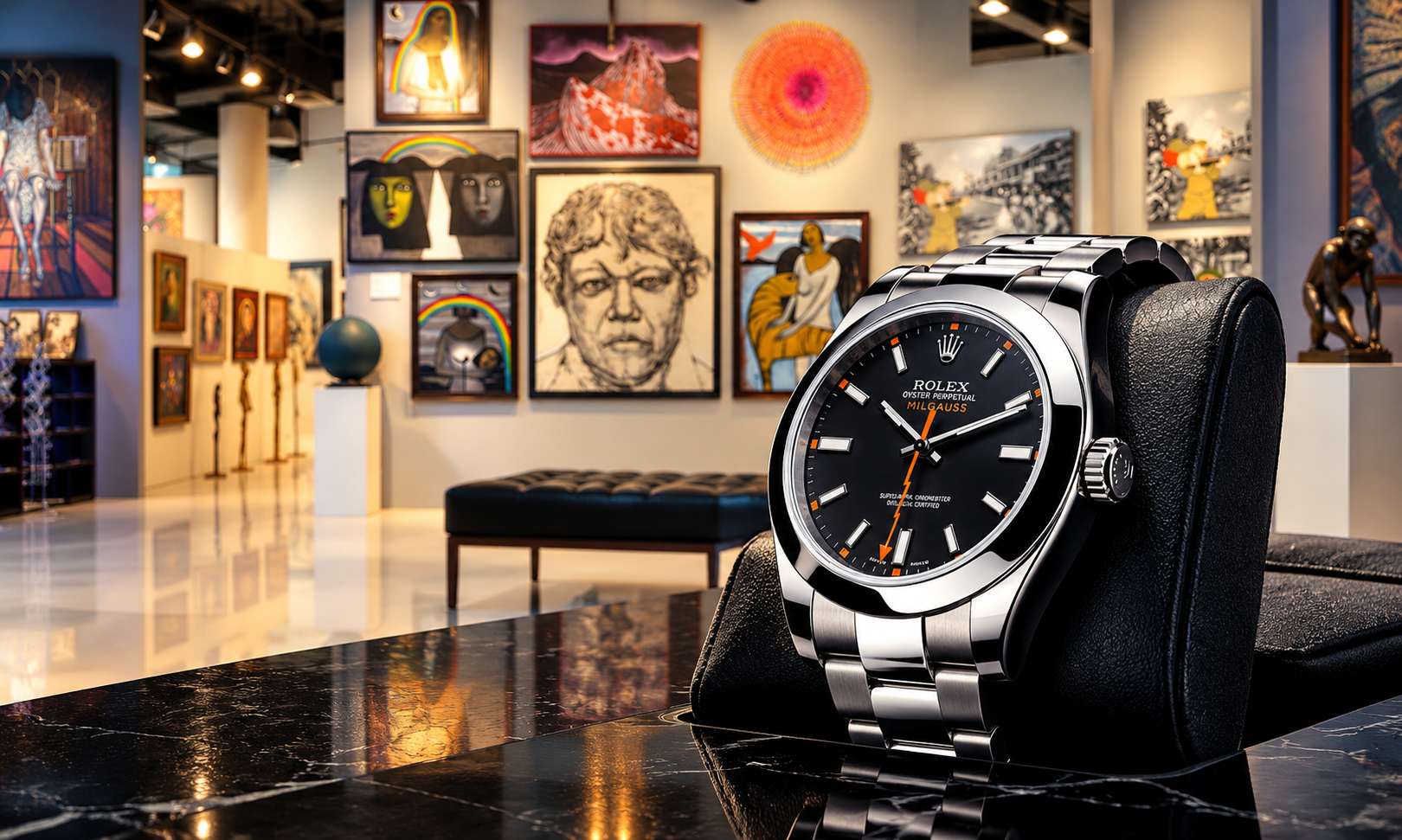
Luxury watches deserve particular attention because their value doesn’t behave the way most other possessions do. A Rolex valuation carried out even two or three years before a death can be substantially out of date, since certain models have appreciated well beyond their original retail price on the secondary market. Executors who rely on an old insurance figure or simply estimate based on what the watch originally cost often get the number wrong in either direction.
Why Specialist Pricing Knowledge Matters Here
A credible Rolex valuation, along with appraisals for other major brands like Patek Philippe, Cartier, IWC and Audemars Piguet, depends on tracking current market movement closely, which is something that changes too quickly for a generic estimate to capture reliably. Getting this figure right protects the estate from both an HMRC challenge on the low side and an overpayment of tax on the high side.
Summing Up
To sum up, the structural pressure on probate hasn’t eased, which means the frozen thresholds are pulling more estates into tax territory, the six-month payment deadline hasn’t moved, and HMRC’s ability to revisit undervaluations stretches decades into the future. Against that backdrop, treating valuations of jewellery, watches, art and antiques as an early task rather than an afterthought isn’t just good practice; it’s increasingly the only way to keep a probate process from running into avoidable delays and penalties.